Nepo Baby Meaning: What the Term Really Says About Fame, Family, and Who Gets a Foot in the Door
In February 2022, a single tweet lit up Twitter. Someone had just discovered that the actress playing Lexi in Euphoria was the daughter of Judd Apatow and Leslie Mann, and the replies were on fire. Most viral moments blow over by the weekend. This one did not. In the years since, that one word has swallowed entire award seasons, spawned a magazine cover people still argue about, and landed in three major dictionaries. Anyone asking what a nepo baby actually is deserves more than a one-line answer. This piece covers everything the record can verify: the real definition, the documented origin, the stars who fought the label, the ones who wore it on a t-shirt, and why the argument refuses to die.
The Quick Answer: What Does Nepo Baby Mean?
nepo baby / neh-poh bay-bee / noun, informal, usually disapproving 1. A person who gains success or opportunities through family connections, especially the child of a famous parent such as an actor, musician, entrepreneur, or politician. 2. In entertainment specifically, a celebrity whose career is believed to have been advanced by having a famous parent, whether or not they also have real talent. |
Definition consolidated from Merriam-Webster, Collins English Dictionary, and the Cambridge Dictionary, all of which now carry entries for the term.
The word is a shortening of nepotism baby. Nepotism itself is centuries old. It traces back to the Italian word nipote, meaning nephew, and originally described popes handing out church positions and favors to their nephews in the 1600s. Attach “baby” to it and you get a label for someone who was, quite literally, born into their advantage.
Two things worth flagging before we go further. First, calling someone a nepo baby is not the same as calling them untalented. Plenty of people who carry the label are genuinely good at what they do. Second, the term almost always carries a sting. Collins Dictionary files it under informal disapproval, and most celebrities treat it as an accusation rather than a neutral description.
Where the Term Came From: A Verified Timeline
The internet did not invent this idea, it just gave it a catchier name. Here is the documented paper trail, from a Missouri newspaper to your For You page.
1600s The word nepotism enters European languages, originally describing popes who granted offices and privileges to their nephews.
1915 The phrase “nepotism baby” appears in print in The Centralia Courier, a Missouri newspaper, in a political context. Word researchers at Wordhistories.net traced this as the earliest documented use of the longer phrase.
1923 Douglas Fairbanks Jr. is signed to an acting contract at Paramount at age 13, largely because executives wanted to cash in on the fame of his father Douglas Fairbanks and stepmother Mary Pickford. Vulture later called him the first entertainment industry example of what we would now call a nepo baby.
February 2022 Meriem Derradji, a Canadian Twitter user, posts her surprise at learning that Euphoria's Lexi is played by the daughter of Leslie Mann and director Judd Apatow. The tweet goes viral and the shortened form spreads across Twitter and TikTok, where users start mapping celebrity family trees.
September 2022 Maude Apatow addresses the label in a Porter interview, admitting it initially made her sad and acknowledging she is in a lucky position.
November 2022 Lily-Rose Depp tells Elle she finds the framing of the conversation sexist, pouring fuel on the debate.
December 19, 2022 New York Magazine publishes its now infamous nepo baby cover package, declaring 2022 the year of the nepo baby with the coverline “She Has Her Mother's Eyes. And Agent.” Twitter melts down within hours.
January 2023 Hailey Bieber is photographed in a white crop top with “nepo baby” printed across the front. Jamie Lee Curtis posts a long Instagram response calling herself an OG of the category.
2023 onward The term settles into everyday vocabulary and earns entries in Merriam-Webster, Collins, and Cambridge dictionaries.
What the Label Does and Does Not Mean
A lot of arguments about nepo babies happen because people are using the word differently. Years of this discourse have made one thing clear: it helps to separate what the term actually claims from what people assume it claims.
What it means
• The person had a documented family connection to their industry before their career began.
• That connection plausibly opened doors: auditions, meetings, agents, or early contracts.
• The playing field was not level between them and outsiders competing for the same spots.
What it does not mean
• That the person has no talent. Many labeled stars are widely respected performers.
• That they did no work. Connections open doors, but careers still have to be sustained.
• That they should be shamed for their birth. Nobody chooses their parents.
Gwyneth Paltrow, herself the daughter of actress Blythe Danner and director Bruce Paltrow, summed up the tension neatly during an appearance on Hailey Bieber's YouTube series Who's in My Bathroom. She called the criticism fair, since children of famous people get access others never will, but argued that once your foot is unfairly in the door, you end up working twice as hard to prove you belong there. Whether you buy that second part or not, it captures how the people inside the label see themselves.
Famous Nepo Babies: The Names That Started the Conversation
When New York Magazine published its December 2022 package, it named names and even sorted stars into categories by degree of connection. These are the figures most consistently cited across coverage of the trend, along with the family ties that put them there.
| Celebrity | Famous parent(s) | Best known for |
|---|---|---|
| Maude Apatow | Judd Apatow, Leslie Mann | Lexi Howard in Euphoria |
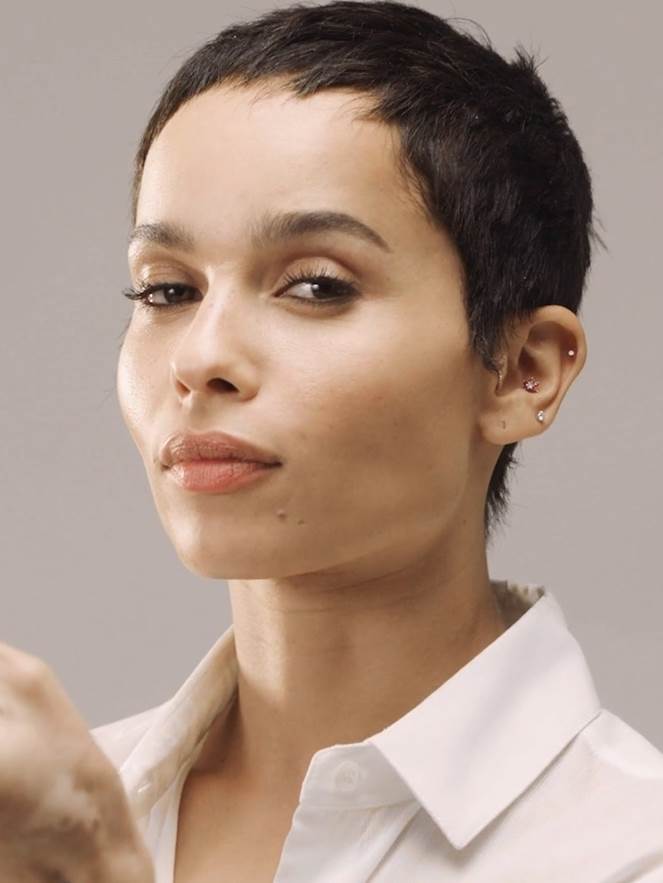
| Zoe Kravitz | Lenny Kravitz, Lisa Bonet | The Batman, Big Little Lies |
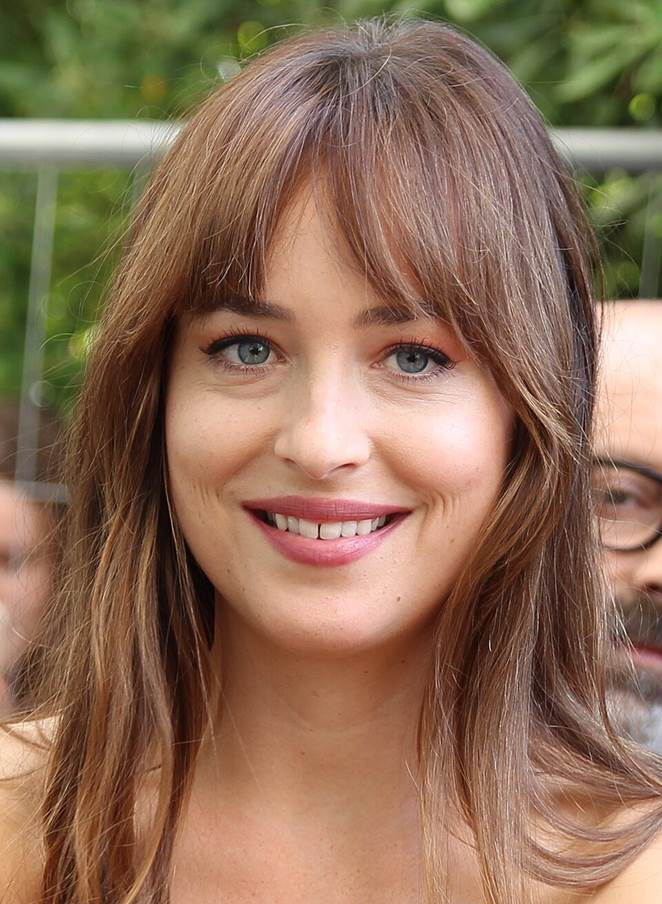
| Dakota Johnson | Don Johnson, Melanie Griffith | Fifty Shades franchise |
| Lily-Rose Depp | Johnny Depp, Vanessa Paradis | The Idol, modeling for Chanel |
| Hailey Bieber | Stephen Baldwin | Modeling, Rhode skincare |
| Maya Hawke | Ethan Hawke, Uma Thurman | Stranger Things |
| Jack Quaid | Dennis Quaid, Meg Ryan | The Boys |
| Lily Collins | Phil Collins | Emily in Paris |
| Dan Levy | Eugene Levy | Schitt's Creek |
| Ben Platt | Producer Marc Platt | Dear Evan Hansen |
| O'Shea Jackson Jr. | Ice Cube | Straight Outta Compton |
| Jamie Lee Curtis | Tony Curtis, Janet Leigh | Halloween, Everything Everywhere All at Once |
One wrinkle worth knowing: the magazine's categories got so granular that the internet started mocking the exercise itself. Singer Phoebe Bridgers made the list partly because a parent worked as a set builder, which many readers felt stretched the definition past breaking point.
How the Nepo Babies Responded
The most entertaining chapter of this story is how the people wearing the label reacted. The responses split into three camps: the wounded, the defiant, and the ones who leaned all the way in.
Jamie Lee Curtis, the self-declared original
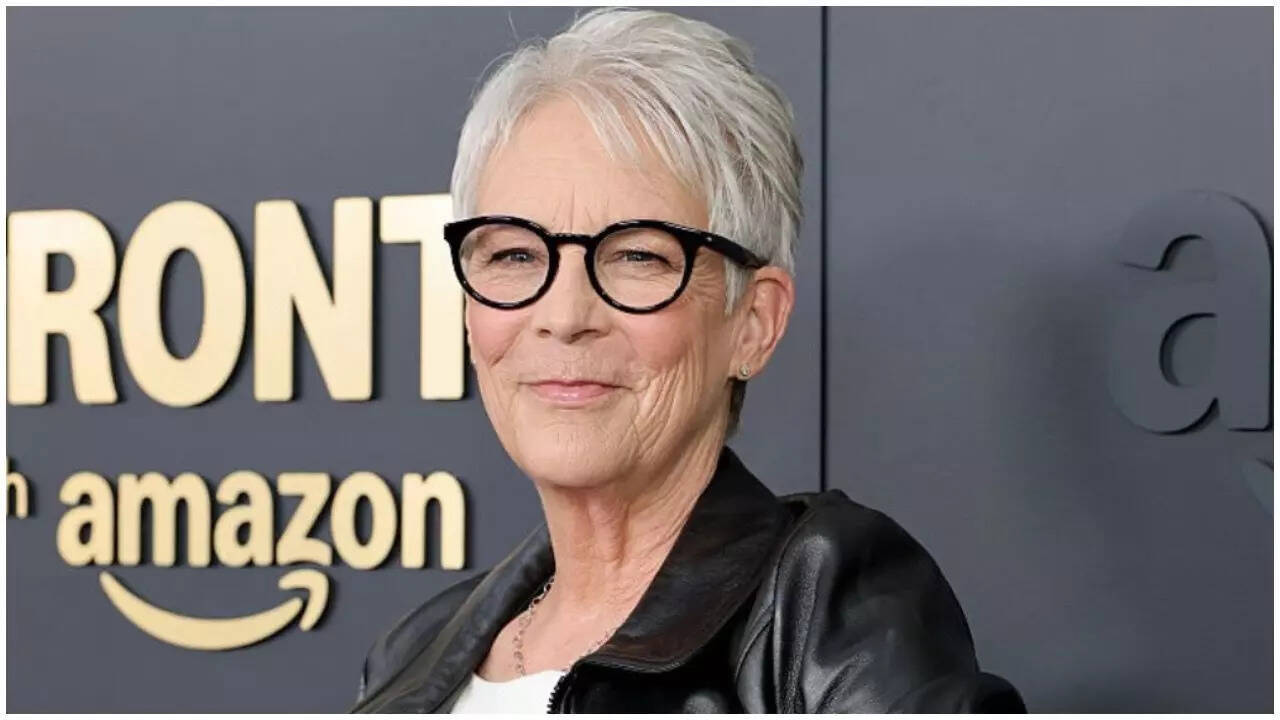
Days after the magazine cover dropped, Curtis posted a lengthy Instagram statement. The daughter of Tony Curtis and Janet Leigh wrote that she has been a professional actress since 19, does not pretend her family fame brought no advantages, and has spent 44 years being reminded of whose daughter she is. She argued the conversation was designed to diminish and hurt. She later joked about the label from the SAG Awards stage during her Everything Everywhere All at Once run, telling the room she knows exactly what they think when they look at her.
Hailey Bieber, the t-shirt heard around the world
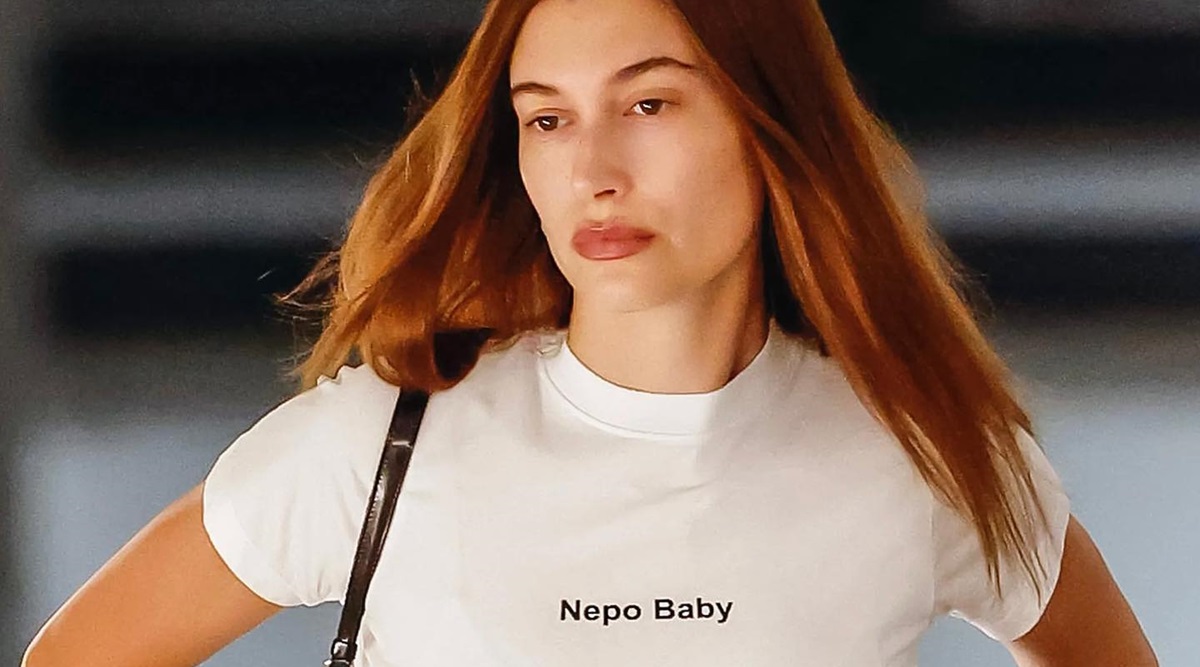
In January 2023, the model stepped out in a crop top with the words printed right across the chest. She later explained on Bloomberg's The Circuit that it was not a joke but a deliberate answer to the internet, saying plainly, “I am one, and I embrace that I am.” She also noted the no-win dynamic: deny the label and you are delusional, own it and you are somehow still doing it wrong.
O'Shea Jackson Jr., the proud defender

Ice Cube's son, who played his own father in Straight Outta Compton, posted a thread urging fellow children of famous parents to embrace their position and refuse to feel bad about their accomplishments. He detailed the auditions and work ethic behind his roles, arguing a famous surname gets you into the room but does not keep you there.
Lily Allen, the redirect

The singer, herself the daughter of actor Keith Allen and film producer Alison Owen, tweeted that the nepo babies worth worrying about work in law firms, banks, and politics, where the real-world consequences of inherited access are far more serious than a casting decision.

Maya Hawke deserves a special mention. In a 2024 interview with The Times, the Stranger Things actress openly acknowledged that nepotism played a part in her success, a level of frankness so rare that The Guardian ran a column congratulating her for it. Back in 2019 she had insisted she went through the same audition process as everyone else, which shows how much the discourse changed what stars feel able to say.
Why People Care So Much
On the surface this looks like celebrity gossip, but the reason the word stuck is that it gave people a handle on something bigger: how much of success is earned and how much is inherited. Both sides of the argument have real points, and both have grown steadily sharper over the years.
The case for using the term
• Access is real. A famous parent means agents, auditions, and industry advice that outsiders spend a decade trying to reach.
• Naming the pattern creates transparency. Audiences can judge work with full context instead of a manufactured bootstraps story.
• It extends beyond Hollywood. Family advantage shapes hiring in business, politics, and media, and the entertainment version simply made it visible.
The case against it
• It can flatten genuine talent. Kravitz, Johnson, and Curtis have decades of respected work behind them.
• It is applied unevenly. Lily-Rose Depp argued the conversation targets young women far more than their male counterparts.
• Nobody picks their parents. Punishing people for their birth sits uncomfortably with the fairness the term claims to defend.
It was never just about Hollywood
The dictionary definitions make this explicit. Merriam-Webster's entry mentions children of entrepreneurs and politicians alongside actors and musicians. Family firms hand leadership to heirs, political dynasties pass seats between generations, and agencies sign the daughters of supermodels. Hollywood became the face of the debate because its family trees are public, but the mechanism runs through every industry where relationships decide who gets a chance.
The internet even coined an inverse term along the way: the nepo parent, meaning a parent who benefits from a famous child's success rather than the other way around. Figures like Dina Lohan have been described this way. Once a word this useful exists, people will bend it in every direction.
How to Use Nepo Baby in a Sentence
The word turns up everywhere from group chats to news headlines. Here is how it actually gets used.
• “He is a nepo baby, sure, but honestly he is more talented than his dad ever was.”
• “Every casting announcement now comes with someone in the replies checking whether the newcomer is a nepo baby.”
• “The startup's new CEO is a classic nepo baby hire, straight from the founder's dinner table to the corner office.”
Tone matters. Between friends it can be playful shorthand. Aimed directly at a person, it usually lands as an accusation, so it pays to know your audience before deploying it.
The Final Verdict on the Nepo Baby Debate
That Apatow tweet looked like a week-long Twitter pile-on at first. Instead, a single word ended up rewiring how a generation talks about fame. The clearest proof of its staying power is that it survived its own backlash. The cover got mocked, the celebrity responses got mocked, the mockers got mocked, and the word came out the other side more embedded than ever, complete with dictionary entries.
Years of this debate point to one conclusion. The label is most useful when it describes a system and least useful when it becomes a weapon against an individual kid who happened to be born to famous parents. The honest position, the one Maya Hawke and even Gwyneth Paltrow eventually arrived at, is that the door opens easier for some people, and pretending otherwise insults everyone still knocking. Once that is accepted, the interesting question stops being “is she a nepo baby” and becomes “what did she do with the head start.” That is the version of this conversation worth having, and it is the reason this word, unlike most internet slang, is not going anywhere.