XXXXL Size: The Complete Guide to Fit, Style, and Confidence in Extended Fashion
Shopping for clothes is supposed to be simple. Walk into a store, grab your size, try it on, and walk out looking like the best version of yourself. For many people who wear XXXXL clothing, however, the experience has historically been a little different. Instead of racks full of choices, there were often only a few options hidden somewhere in the back of the store, usually in colors that looked suspiciously like every shade of charcoal imaginable.
Fortunately, fashion has started to evolve. Extended sizing is no longer treated as an afterthought by many brands. As demand grows and conversations around body diversity become more common, clothing companies are slowly expanding their size ranges to include people who have traditionally been underserved by mainstream fashion.
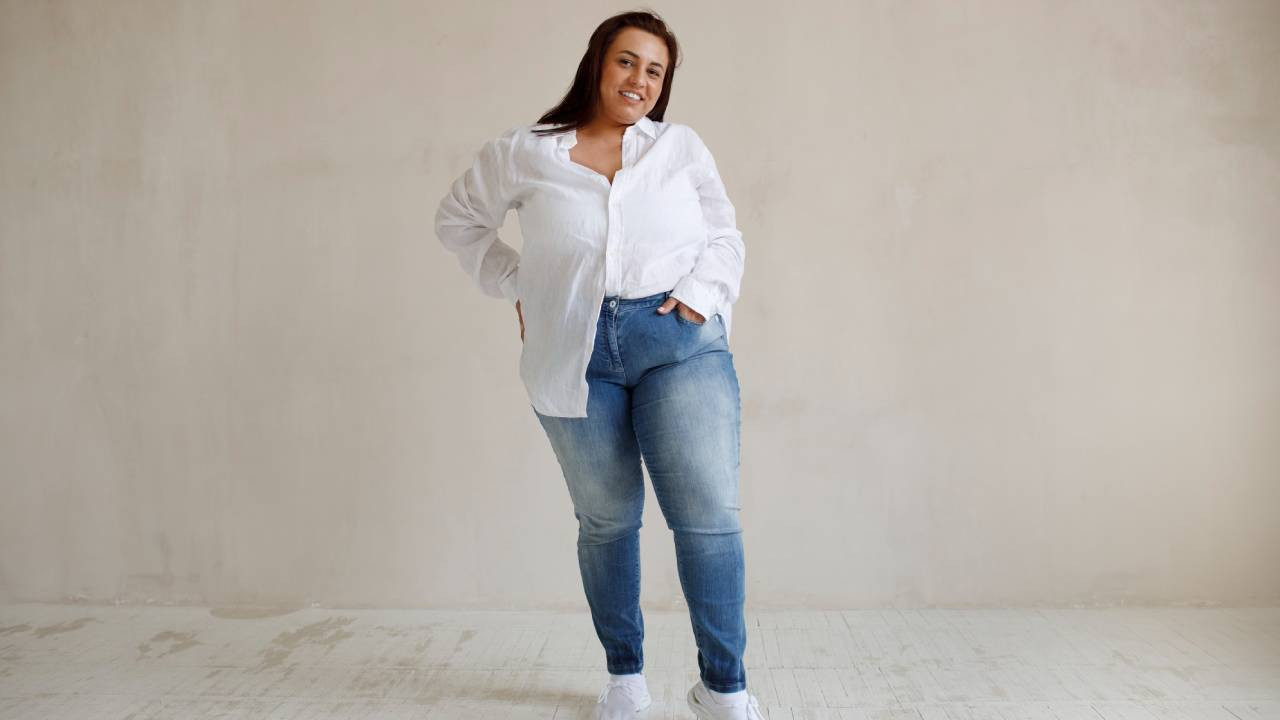
XXXXL clothing now appears in many modern collections, and designers are beginning to understand that larger sizes require thoughtful construction rather than simple scaling. People who wear extended sizes want the same things everyone else does: clothes that fit well, feel comfortable, and look stylish.
This guide explores what XXXXL size actually means, how sizing works across brands, how to find clothing that fits properly, and how extended-size fashion is evolving in today’s industry.
About the Author’s Fashion Testing
Before discussing sizing and styling advice, it helps to understand where the insights in this guide come from.
Over the past year, extended-size clothing from more than 15 different brands has been tested across several categories including shirts, jackets, denim, and casualwear. The brands ranged from mainstream retailers to companies that specialize specifically in big-and-tall fashion.
The testing focused on several important factors:
• Fit accuracy across brands
• Fabric quality and durability
• Comfort during long wear
• Overall garment construction
One thing quickly became clear during testing. Two shirts labeled XXXXL can fit completely differently depending on the brand. Some companies simply enlarge smaller patterns, which often creates awkward proportions. Others redesign garments specifically for larger body shapes, which produces a far more natural and comfortable fit.
What XXXXL Size Actually Means
XXXXL size typically refers to clothing designed for individuals with chest measurements around 54 to 58 inches and waist measurements roughly between 48 and 52 inches. These measurements vary slightly depending on the brand and region.

Extended-size fashion is usually grouped under the “big and tall” category. Instead of simply making garments wider, this category adjusts clothing proportions across several parts of the design.
A properly designed XXXXL garment often includes:
• Wider shoulder construction
• Longer torso length
• Larger sleeve openings
• Balanced chest-to-waist proportions
When brands ignore these structural changes and simply enlarge smaller sizes, the clothing can technically fit but may feel uncomfortable or poorly shaped.
Extended Size Measurements Explained
Understanding measurement ranges helps explain why sizing confusion is common when shopping for extended sizes.
| Measurement | Typical XXXXL Range |
| Chest | 54 – 58 inches |
| Waist | 48 – 52 inches |
| Shoulder width | Wider structural adjustments |
| Sleeve length | Extended for proportion |
| Garment length | Longer to prevent ride-up |
Because clothing companies use different sizing models, checking measurement charts before purchasing is often more reliable than relying solely on the size label.
The Rise of Inclusive Fashion
Extended-size clothing has become one of the fastest-growing segments in the apparel industry.
Several factors have contributed to this growth:
• Increasing visibility of body diversity in media
• The rise of online shopping and direct-to-consumer brands
• Consumer demand for better size inclusivity
• Social media discussions around accessible fashion
Online retailers have played a particularly important role. Because digital stores are not limited by physical shelf space, they can offer a broader range of sizes compared with traditional retail locations.
Why XXXXL Sizing Still Varies Between Brands
One of the biggest frustrations with XXXXL clothing is that the label alone rarely guarantees a consistent fit. Unlike shoe sizes, which follow relatively standardized measurements, clothing sizes are interpreted differently by each brand. A shirt labeled XXXXL in one brand might feel perfectly tailored, while another could appear oversized or oddly shaped.
The main reason is that many clothing companies scale their patterns differently. Some brands increase the width of a garment while keeping other proportions nearly the same. Others redesign the entire pattern to account for broader shoulders, longer torsos, and different body distributions. The second approach usually produces a much better fit, but it requires more design effort and manufacturing adjustments.
Industry analysts have noted that inconsistent sizing remains one of the most common complaints among shoppers. A report on apparel sizing by Size Stream, a company that studies body measurement data, found that significant variations exist between brands even when size labels appear identical.
https://www.sizestream.com/blog/body-measurement-data-fashion-industry/
Fashion experts often recommend focusing on garment measurements rather than size labels alone. Checking chest width, shoulder measurements, and garment length usually provides a more reliable indicator of fit.
Finding Clothes That Fit Well
Buying XXXXL clothing successfully depends on more than choosing the correct number on a tag.
Several factors influence how well clothing fits:
• Fabric stretch and elasticity
• Shoulder structure in shirts and jackets
• Sleeve length and arm mobility
• Balanced torso proportions
A useful strategy is focusing on brands that specialize in extended sizing. These companies typically design patterns specifically for larger body shapes rather than modifying smaller garments.
Knowing personal body measurements also makes shopping significantly easier. Measuring chest, waist, and shoulder width allows shoppers to compare those numbers with brand sizing charts.
Style Principles for XXXXL Clothing
A common myth about larger clothing sizes is that garments should always be loose or oversized.
In reality, extremely baggy clothing often makes outfits appear less structured. A better approach is selecting garments that follow the body’s natural lines while still providing enough room for comfort.
Helpful styling strategies include:
• Choosing structured shirts or jackets with defined shoulders
• Using layering to create visual depth
• Wearing vertical patterns or seam lines that elongate the silhouette
• Selecting fabrics that drape naturally
Good tailoring usually matters far more than the number printed on the label.
Popular Clothing Types Available in XXXXL
The range of clothing available in extended sizes has expanded significantly over the past decade.
Many brands now offer XXXXL sizing across several categories including:

• Casual T-shirts and polos
• Button-down shirts
• Hoodies and sweatshirts
• Denim and chinos
• Jackets and outerwear
Athleisure clothing has also become popular in extended sizing because performance fabrics tend to provide more flexibility and comfort.
Challenges When Shopping Extended Sizes
Despite improvements in inclusive fashion, shoppers can still face challenges when buying XXXXL clothing.
Some of the most common issues include:
• Limited availability in physical retail stores
• Inconsistent sizing across brands
• Fewer color or style options
• Higher prices in some extended-size collections
Online retailers have helped solve many of these problems by offering broader inventories and detailed measurement guides.
Customer reviews and product descriptions also provide helpful information about fit accuracy.
Comfort and Fabric Considerations
Comfort plays a central role in extended-size clothing.
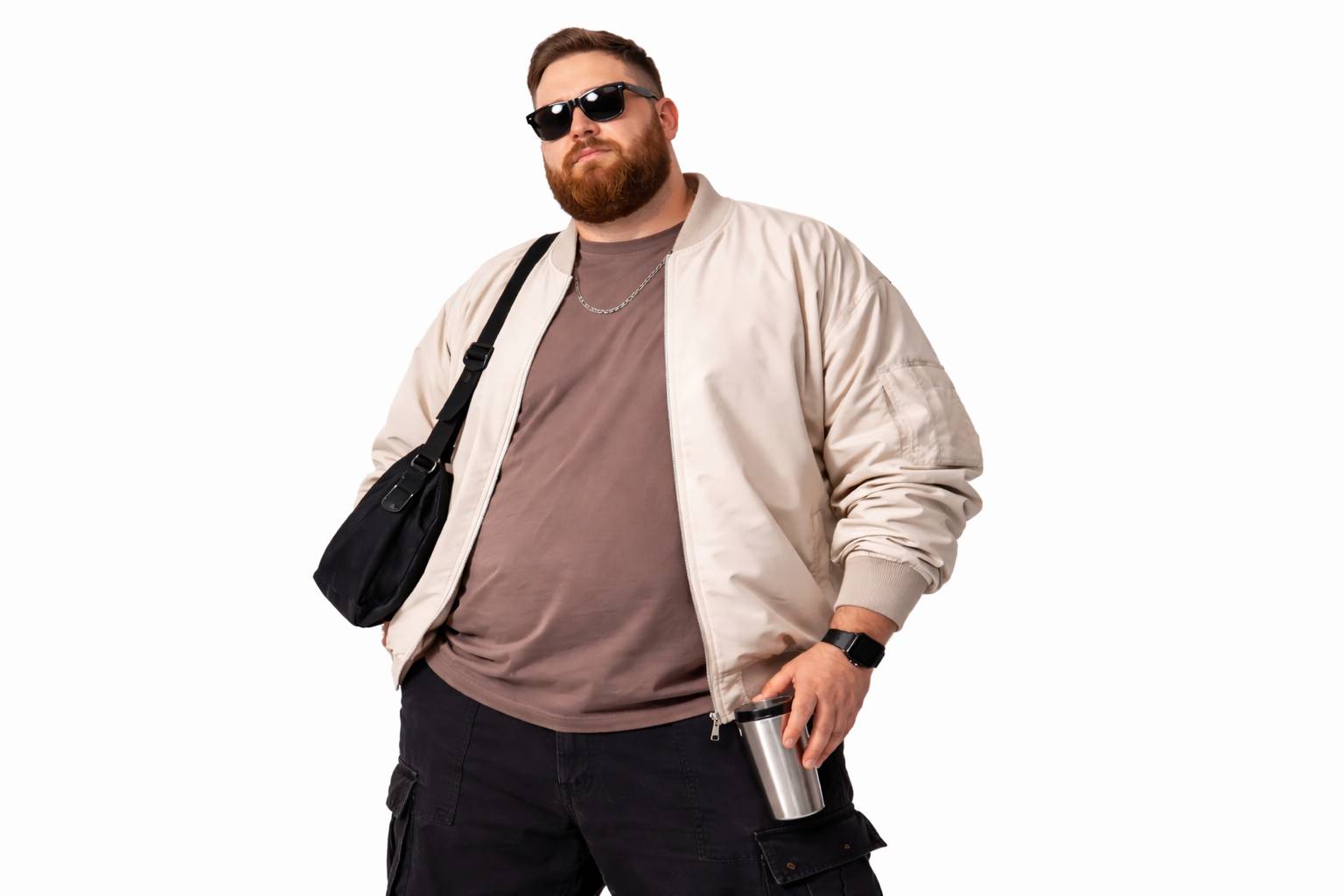
Garments designed for larger body types must balance structure with flexibility so that movement remains natural throughout the day.
Materials that work particularly well include:
• Cotton blends for breathability
• Elastane fabrics for stretch
• Lightweight knits for flexibility
• Reinforced stitching for durability
Clothing that feels comfortable tends to improve confidence as much as style itself.
How to Measure Yourself Before Buying XXXXL Clothing
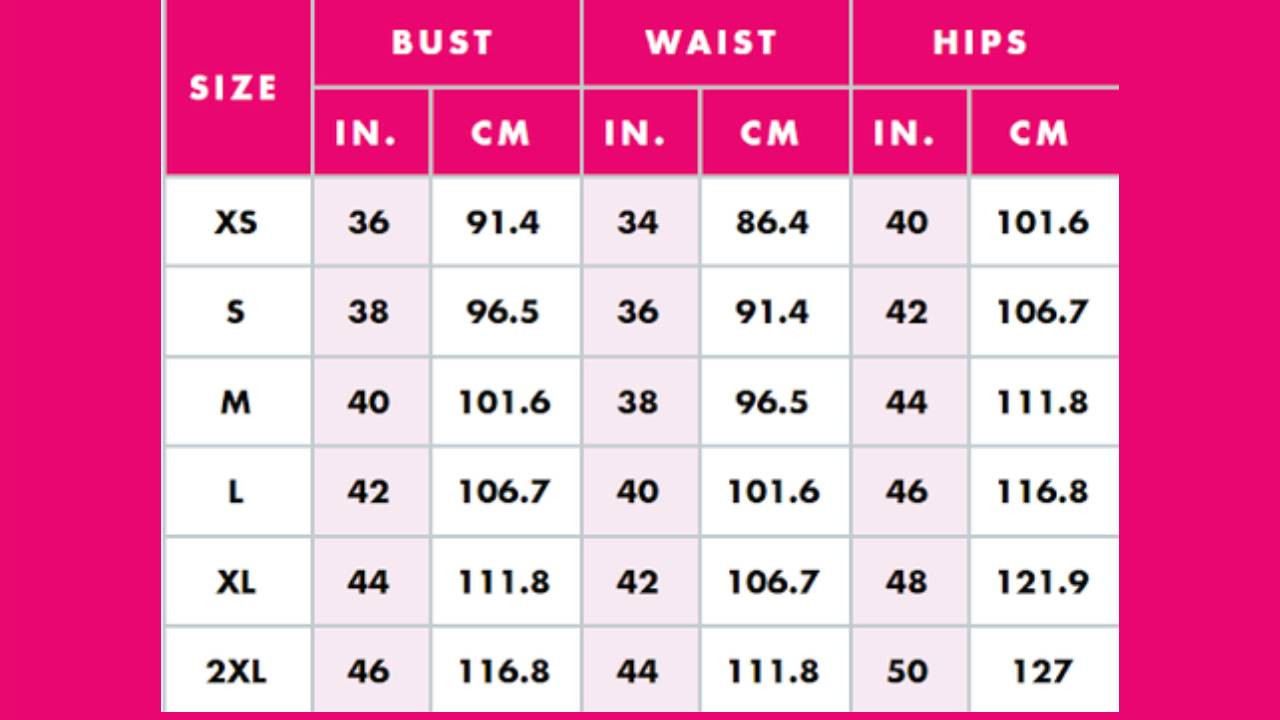
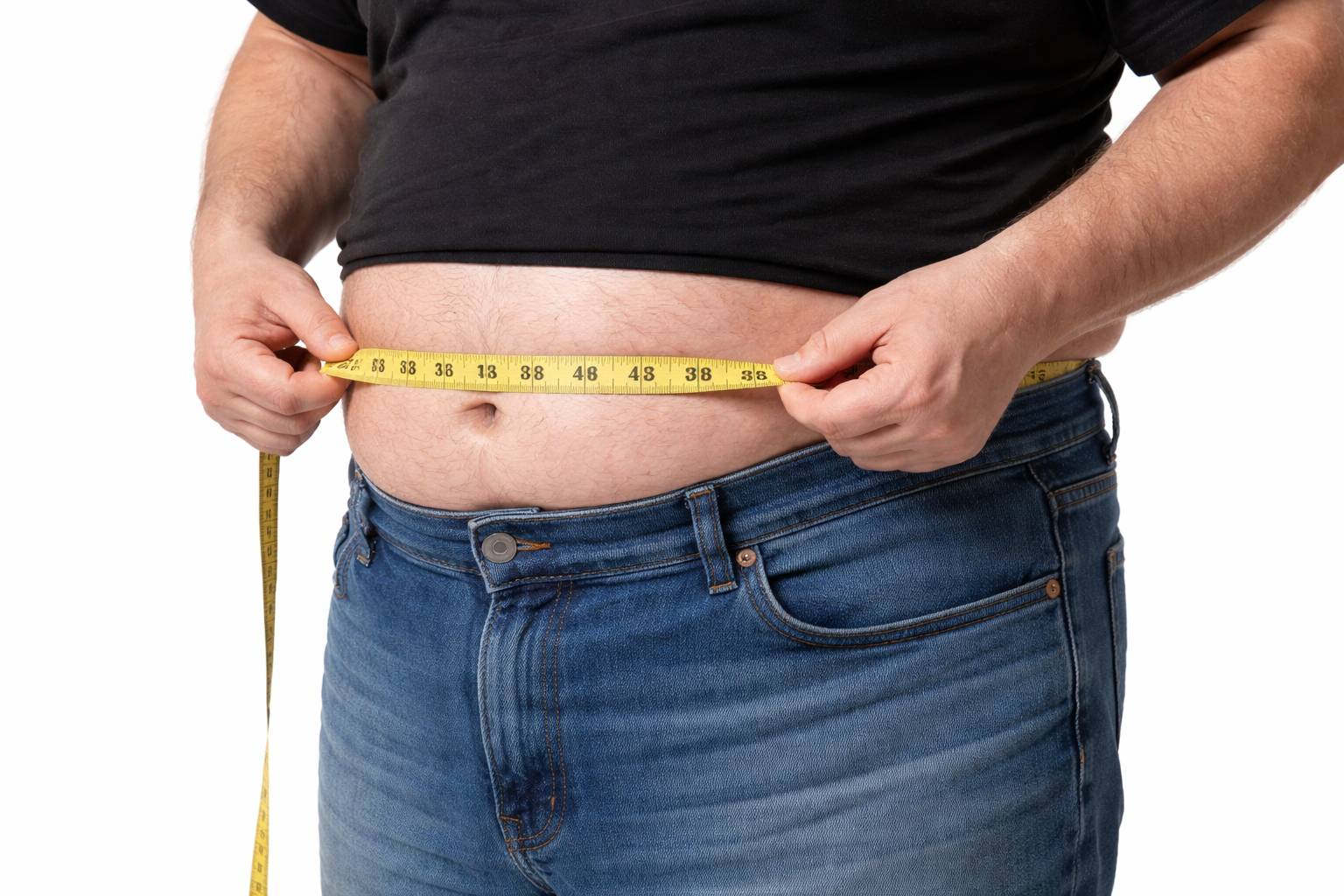
Before buying XXXXL clothing, it is better to check body measurements instead of relying only on the size label. Since every brand follows its own sizing system, a garment marked XXXXL may fit differently from another item with the same label.
The most useful measurements to check include:
• Chest: Measure around the fullest part of the chest. This is especially important for T-shirts, shirts, hoodies, and jackets.
• Waist: Measure around the natural waistline. This helps when buying trousers, jeans, and fitted shirts.
• Hips: Measure around the widest part of the hips. This matters for longer shirts, coats, and relaxed-fit bottoms.
• Shoulders: Measure from one shoulder edge to the other. Poor shoulder fit can make a shirt or jacket feel tight even when the chest fits.
• Sleeve and garment length: Check sleeve length for shirts and jackets, and total length to avoid clothing that rides up when sitting or moving.
A useful method is to compare the size chart with clothing that already fits well. Lay a favorite shirt or jacket flat, measure its chest width, shoulder width, sleeve length, and total length, then compare those numbers with the brand’s chart.
This gives a clearer idea of how the new garment will fit in real use and helps avoid common problems such as tight shoulders, short sleeves, button pulling, or shirts that feel too short.
XXXXL Size for Men vs Women
XXXXL sizing can work differently in men’s and women’s clothing because both are usually designed around different body proportions.
In men’s clothing, XXXXL usually focuses on chest, shoulder, waist, sleeve, and torso measurements. Men’s big-and-tall versions may also add extra length, which helps taller shoppers avoid shirts and jackets that feel wide enough but too short.
In women’s clothing, XXXXL often considers bust, waist, hips, arm shape, and garment curve. This is why women’s XXXXL sizing may vary more between brands. Some plus-size garments are properly shaped for the bust and hips, while others are simply enlarged from smaller sizes.
The safest approach is to check the actual size chart instead of depending only on whether an item is labeled men’s or women’s XXXXL. Measurements usually give a more accurate idea of fit than the label alone.
The Future of Extended Size Fashion
The fashion industry is gradually recognizing that inclusive sizing is not simply a trend but an important part of modern retail.
Advances in technology are also helping brands design garments that fit a wider range of body types.
Some companies are experimenting with:
• 3D body scanning for custom measurements
• AI-assisted pattern design
• made-to-measure clothing production
These developments could eventually make traditional labels like XXXXL less important by allowing garments to be tailored more closely to individual body shapes.
Final Thoughts
XXXXL clothing represents an important shift in the fashion industry toward greater inclusivity. What was once a neglected corner of retail is gradually evolving into a space where design, comfort, and style receive serious attention.
While sizing inconsistencies still exist, improvements in extended-size fashion are making it easier for shoppers to find clothing that fits well and looks good.
Understanding measurements, choosing well-structured garments, and focusing on proper fit can make shopping for XXXXL clothing significantly easier.
At the end of the day, fashion should work for the person wearing it, not the other way around. And whether a shirt says medium or XXXXL on the label, the goal remains the same: clothing that feels comfortable, looks intentional, and fits with confidence.