Why XXXL Size Fits Differ Across Brands (And How to Avoid Wrong Purchases)
The moment “XXXL” stops meaning one thing
If XXXL meant the same thing everywhere, online shopping would be easy.
But it does not. One brand’s XXXL fits like a relaxed XXL. Another feels closer to 4XL. Sometimes the sleeves fit, but the chest does not. Sometimes the chest fits, but the length feels off.
The issue is not your body. It is the system.
Clothing sizes are not standardized globally, and brands interpret “XXXL” based on their own sizing philosophy, target audience, and fit style. Once you understand how those differences work, wrong purchases become predictable rather than frustrating.
What XXXL Actually Means (And Why It Changes)
At its core, XXXL is supposed to represent a range of body measurements. But there is no universal rule that forces brands to follow a single standard.
Some brands define XXXL based on chest size. Others prioritize waist or overall garment cut. Many fast fashion brands adjust sizing to fit their primary customer base, which may not include extended sizes as a priority.
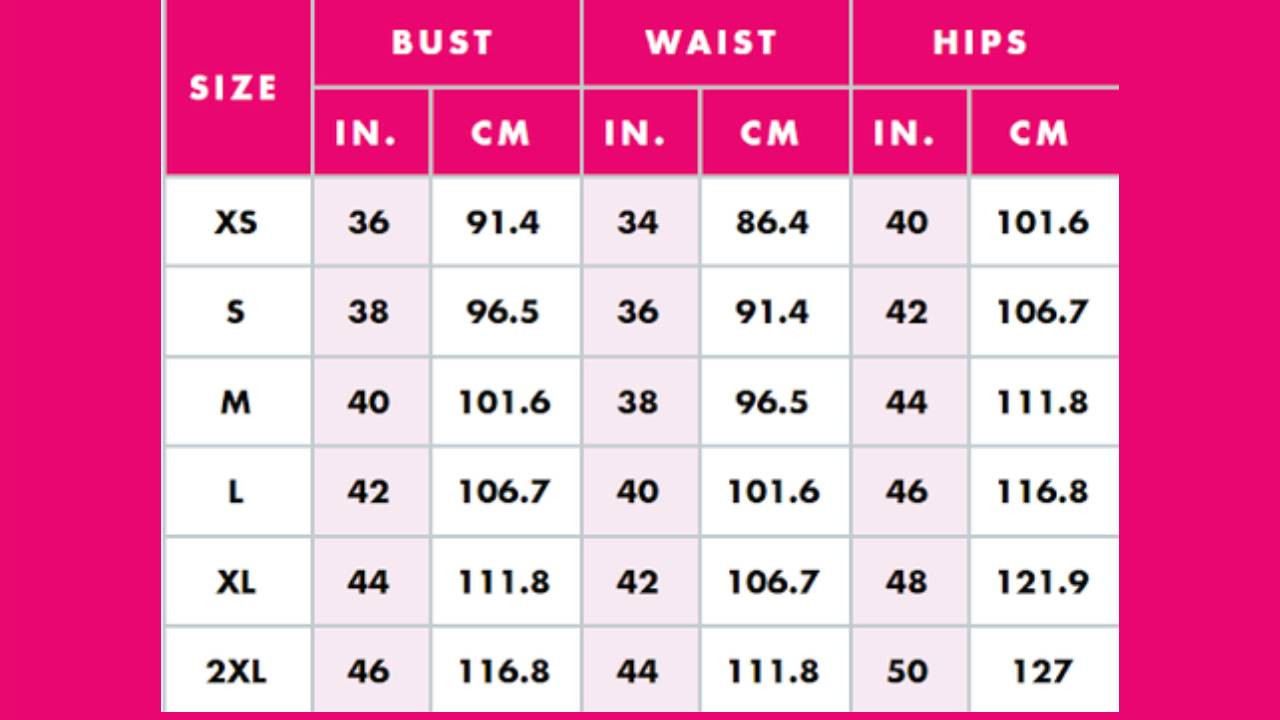
Typical XXXL Measurement Range (General Reference)
| Measurement Area | Common XXXL Range (Men) | Common XXXL Range (Women) |
| Chest/Bust | 48–52 inches (122–132 cm) | 46–50 inches (117–127 cm) |
| Waist | 42–46 inches (107–117 cm) | 40–44 inches (102–112 cm) |
| Hips | 48–52 inches (122–132 cm) | 48–52 inches (122–132 cm) |
These ranges are not fixed. They shift depending on brand positioning.
That is why two items labeled XXXL can feel completely different when worn.
Why XXXL Size Fits Differ Across Brands
The variation is not random. It comes from how brands design, manufacture, and position their clothing.
1. Different Target Audience
Brands design for specific body types.
● Western brands often offer broader cuts
● Asian brands tend to run smaller
● Athletic brands assume a different body proportion
This means XXXL is scaled differently depending on who the brand expects to wear it.
2. Fit Philosophy (This Changes Everything)
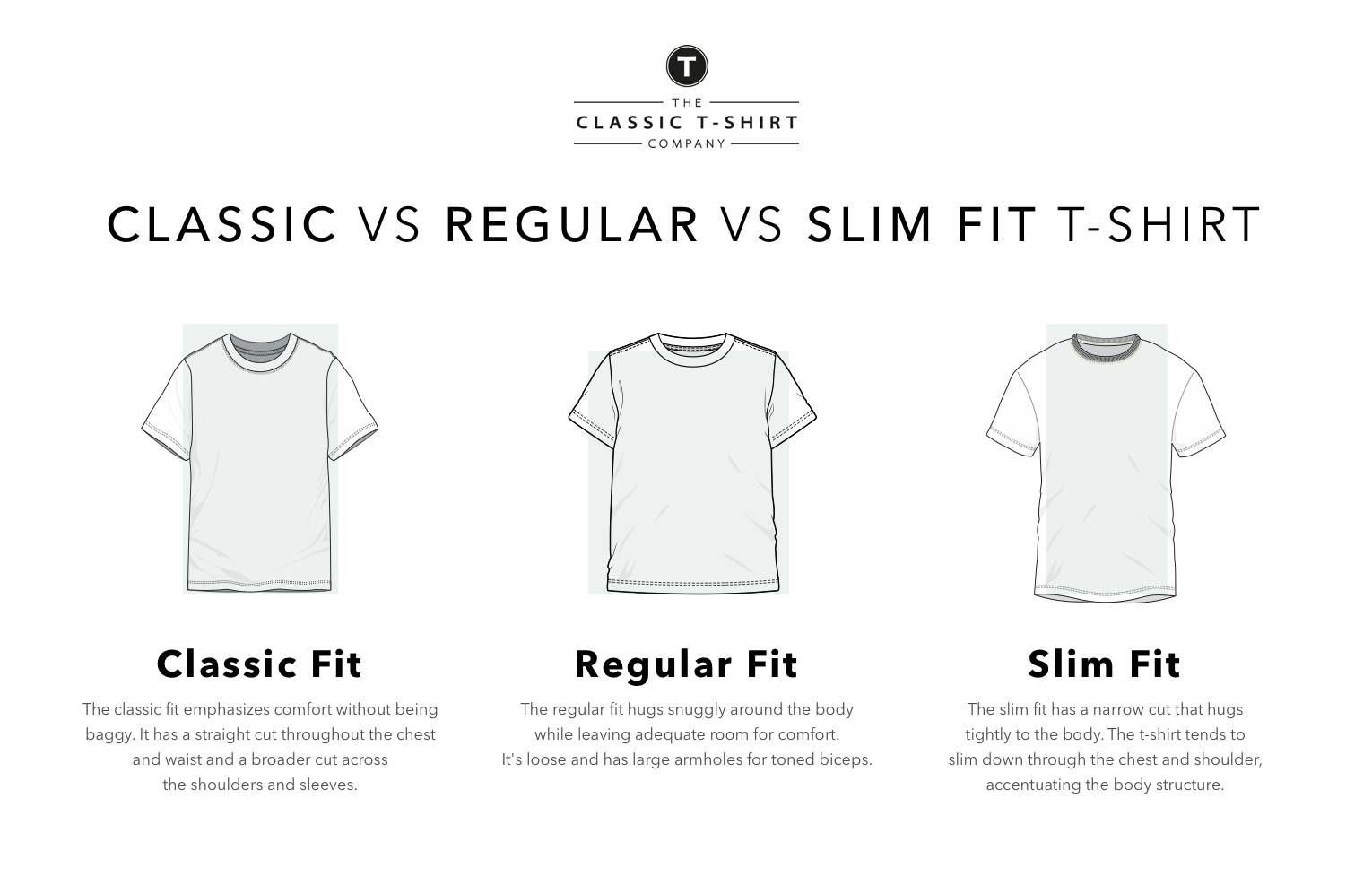
Not all XXXL clothing is designed to fit the same way.
| Fit Type | How It Affects XXXL |
| Slim Fit | Tighter across chest and arms |
| Regular Fit | Balanced, standard proportions |
| Relaxed Fit | More room in waist and shoulders |
| Oversized Fit | Intentionally loose beyond body size |
A slim-fit XXXL can feel smaller than a regular XXL. This is where most sizing confusion starts.
3. Fabric and Stretch
Material changes how a garment feels even if the size is correct.
● Cotton without stretch feels tighter
● Blends with elastane feel more forgiving
● Thick fabrics reduce flexibility
Two XXXL shirts with identical measurements can feel completely different because of fabric choice.
4. Manufacturing Differences
Sizing also depends on production decisions.
● some brands scale patterns proportionally
● others increase only width, not length
● some adjust sleeves, others do not
This creates inconsistencies even within the same size label.
Brand-by-Brand Reality: How XXXL Actually Fits
Global Brand Comparison
| Brand Type | XXXL Fit Reality | Common Issue |
| US Brands (Nike, Levi’s) | True to size or slightly roomy | Sleeve length variation |
| European Brands (Zara, H&M) | Slightly smaller fit | Tight chest area |
| Asian Brands (Uniqlo, local brands) | Runs small | Overall tight fit |
| Plus-Size Brands (ASOS Curve, Big & Tall) | More accurate | Limited style variety |
| Fast Fashion Brands | Inconsistent | Fit varies by item |
This table explains why relying only on size labels leads to errors. The same XXXL behaves differently across categories.
The Real Problem With Online Shopping
Online shopping removes the one thing that solves sizing issues instantly.
Trying the product.
Without that, you rely on:
● size labels
● product images
● vague descriptions
Most people assume XXXL will behave consistently. It does not.
The biggest issue is not sizing itself. It is the assumption that sizing is standardized.
How to Avoid Wrong XXXL Purchases
Instead of trusting labels, you need a simple system that works across brands.
Step 1: Use Body Measurements, Not Size Labels
Measure:
● chest
● waist
● hips
● shoulder width
Compare these with the brand’s size chart.
This is more reliable than choosing XXXL blindly.
Step 2: Read the Size Chart Carefully
Not all size charts are equal.
| What to Check | Why It Matters |
| Garment vs Body Size | Some charts show clothing size, not body size |
| Unit (cm/inches) | Avoid conversion mistakes |
| Fit Type Mentioned | Slim vs relaxed changes everything |
Ignoring these details leads to incorrect assumptions.
Step 3: Check Product Reviews (Fit Feedback)
Reviews often reveal patterns like:
● “runs small”
● “true to size”
● “size up recommended”
These are more practical than official descriptions.
Step 4: Understand Fabric Before Buying
| Fabric Type | Fit Behavior |
| 100% Cotton | Less stretch, tighter feel |
| Cotton + Elastane | Flexible and forgiving |
| Polyester Blends | Shape retention, less shrinkage |
Fabric determines comfort more than size alone.
Step 5: Know When to Size Up or Down
Patterns to remember:
● Asian brands → usually size up
● Slim-fit clothing → consider sizing up
● Oversized styles → sizing down may work
This reduces trial-and-error purchases.
What Becomes Clear After Understanding This
XXXL is not a fixed size. It is a reference point.
The actual fit depends on:
● brand philosophy
● target audience
● fabric
● cut
Once you shift from “size-based buying” to “measurement-based buying,” the entire experience changes.
You stop guessing. You start predicting.
Common Mistakes People Make With XXXL
| Mistake | Result |
| Trusting size label blindly | Wrong fit |
| Ignoring fit type | Too tight or too loose |
| Not checking fabric | Uncomfortable wear |
| Skipping size chart | Inconsistent results |
These are small oversights that lead to repeated returns and frustration.
Final Verdict
XXXL sizing confusion is not a problem that can be solved by brands alone.
It exists because there is no universal sizing standard, and every brand optimizes for its own audience, style, and production process. Expecting consistency across all of them leads to the same outcome every time.

Wrong fit.
The solution is not finding the “right brand.” It is changing how you approach sizing.
Once you start using measurements instead of labels, understanding fit types, and paying attention to fabric, the entire process becomes more predictable. You move from reacting to mistakes to avoiding them entirely.
XXXL is not unreliable. It is just misunderstood.
And once that becomes clear, buying the right fit stops being guesswork.