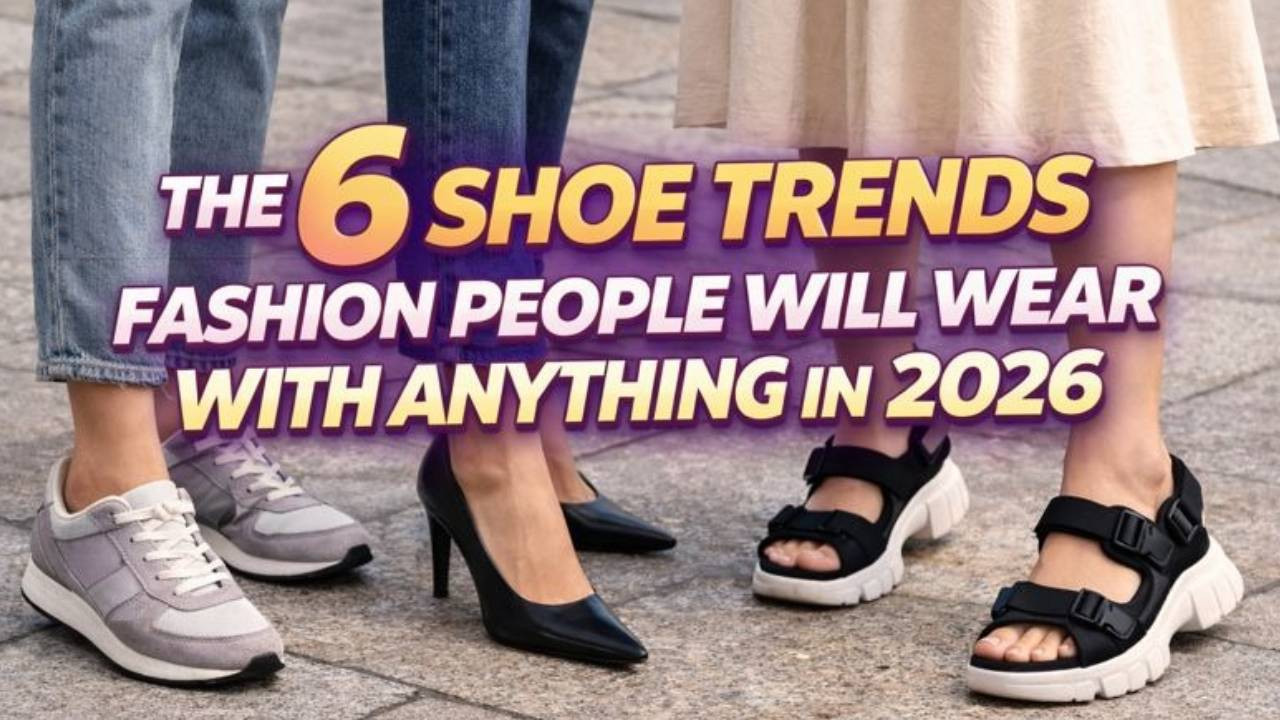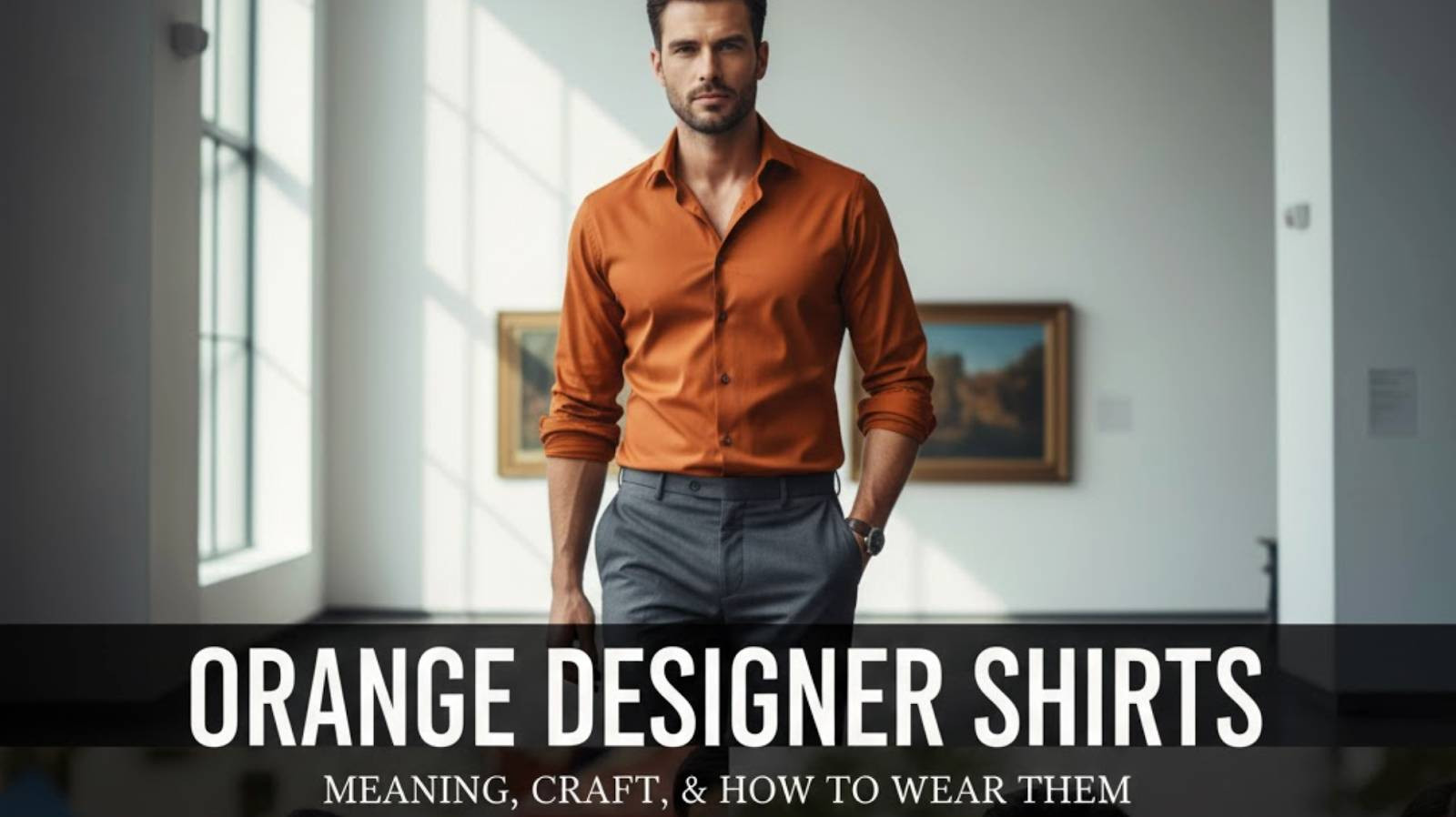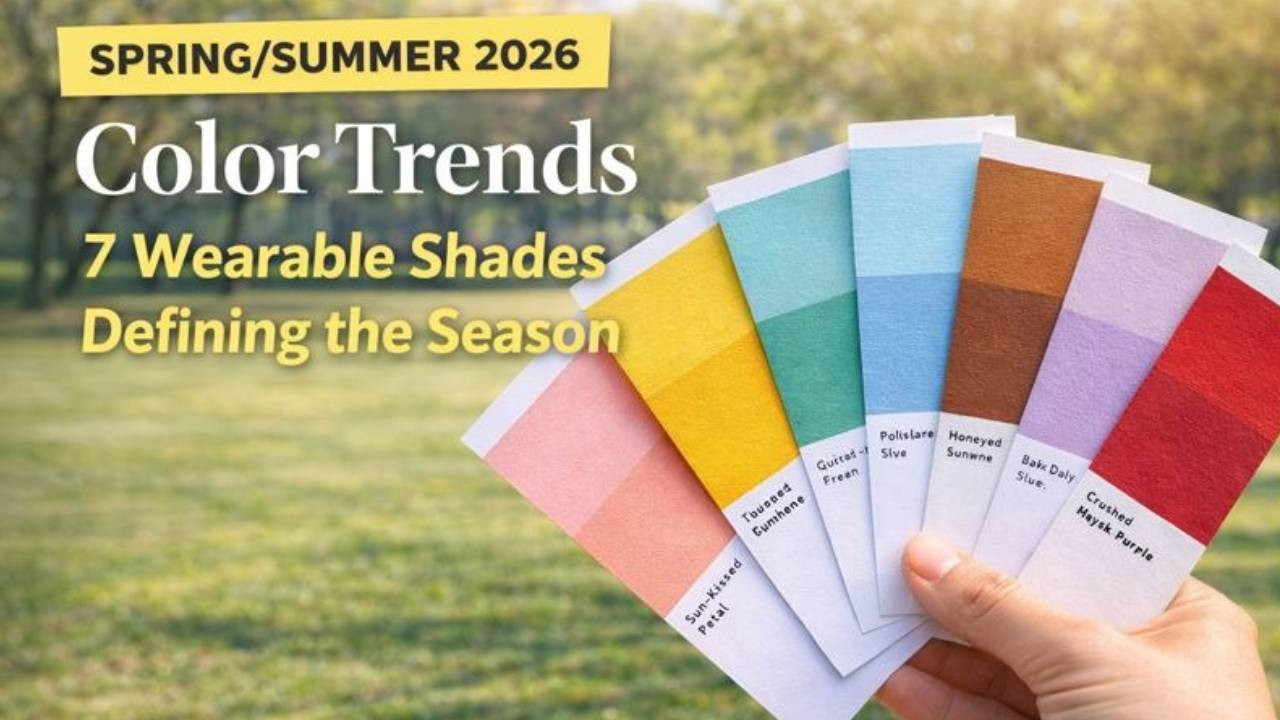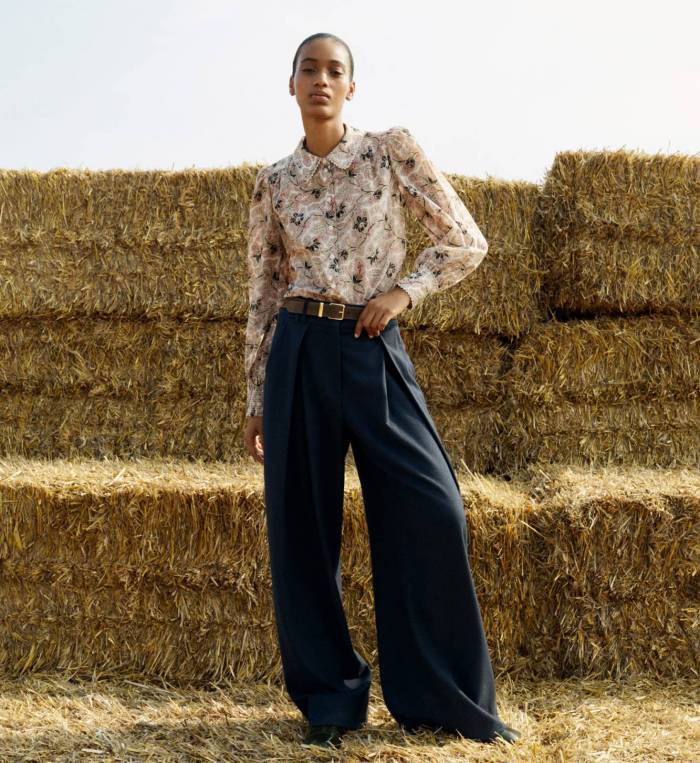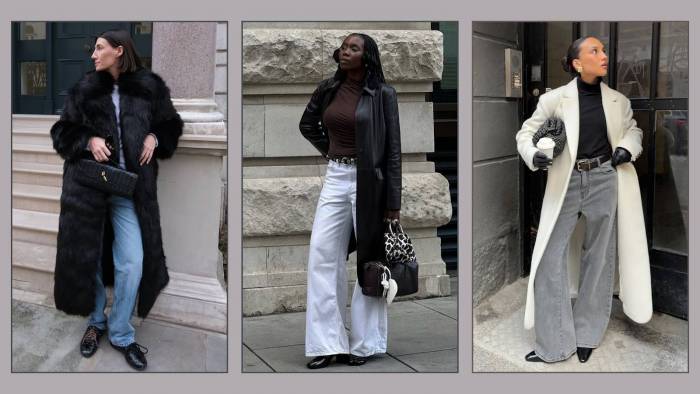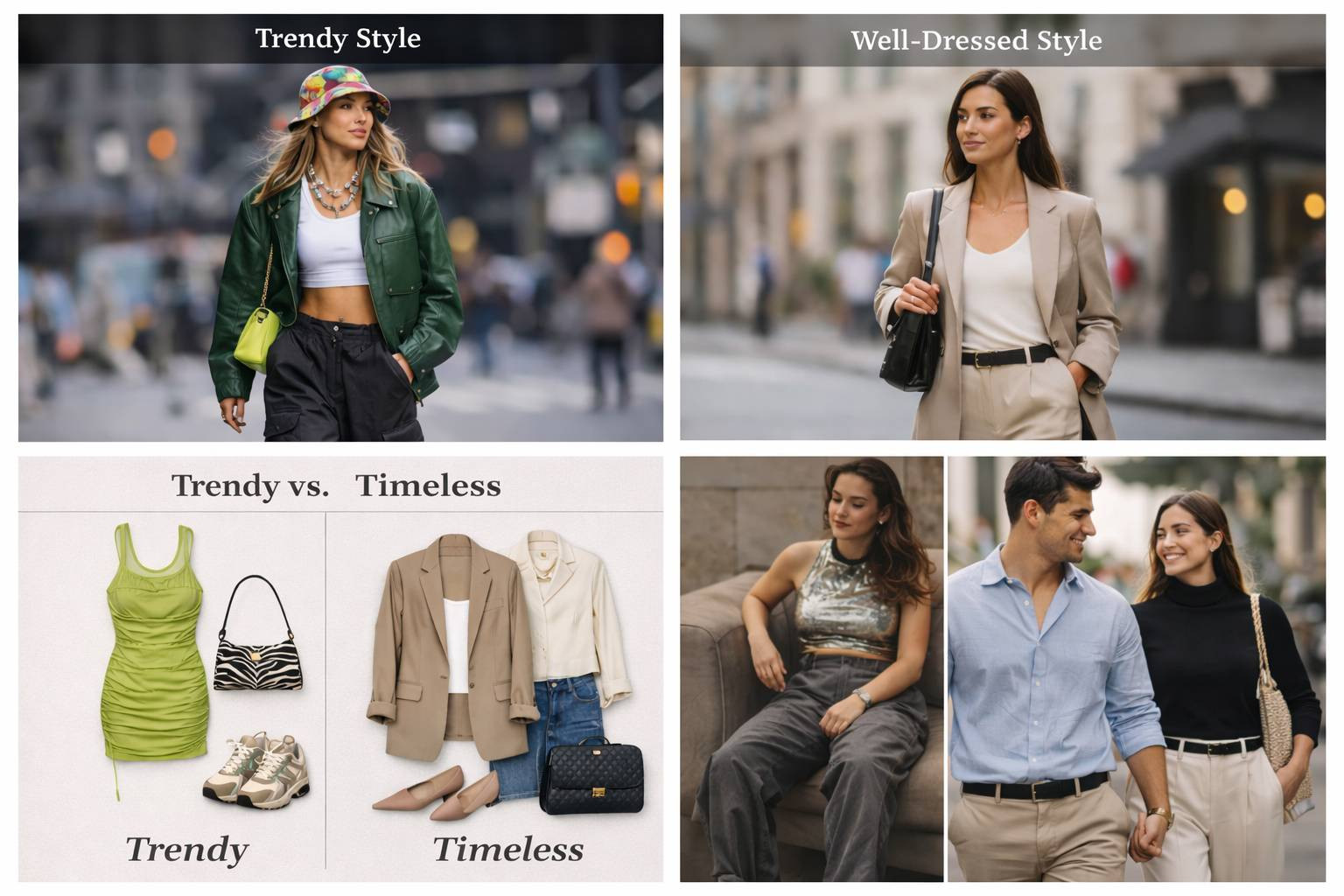
Walk into any café, office, or social gathering and you’ll notice two kinds of style on display. Some people clearly follow the latest trends—bold silhouettes, popular colors, statement pieces. Others may not stand out immediately, yet they look effortlessly polished and confident.
That difference isn’t about money, brands, or fashion knowledge. It’s the difference between being trendy and being well-dressed.
Understanding this distinction can change how you shop, how you dress, and how people perceive you.

What It Really Means to Be Trendy
Being trendy means dressing according to what’s popular right now. Trends are shaped by runway shows, celebrities, influencers, and viral content—and they move fast.
Trendy fashion is:
● Time-sensitive
● Visually striking
● Designed for novelty and attention
Trends can be fun. They allow experimentation and self-expression. But they’re built with an expiration date.
A trendy outfit often looks impressive in the moment, then quickly feels outdated once the cycle moves on—even if the clothes are barely worn.
What Being Well-Dressed Actually Means
Being well-dressed has little to do with trends.
A well-dressed person focuses on:
● Fit and proportion
● Balance and simplicity
● Clothes that suit their body, lifestyle, and personality
Well-dressed outfits don’t rely on shock value. They communicate clarity, confidence, and intention.
You may not remember every detail of a well-dressed person’s outfit—but you remember how put together they looked.
Trendy vs Well-Dressed: The Core Differences
1. Time Sensitivity
Trendy clothing belongs to a moment.
Well-dressed style belongs to the person wearing it.
A neutral jacket, clean footwear, or a simple shirt doesn’t announce a season or a year. That timeless quality is what keeps an outfit relevant long after trends fade.
2. Fit Over Fashion Cycles
Trends often push extremes—oversized today, ultra-fitted tomorrow.
Being well-dressed means prioritizing:
● Proper fit
● Clean lines
● Comfortable movement
Even affordable clothes can look elevated when they fit correctly.
3. Attention vs Presence
Trendy outfits aim to be noticed.
Well-dressed outfits create presence.
There’s a quiet confidence in clothing that doesn’t try too hard. People sense it immediately, even if they can’t explain why.
4. Consumption Habits
Trend-driven wardrobes grow quickly and wear out fast.
Well-dressed wardrobes are:
● Smaller
● Intentional
● Built around repeatable combinations
Many well-dressed people repeat outfits regularly—they just repeat good ones.
Why Trendy Often Fails in Real Life
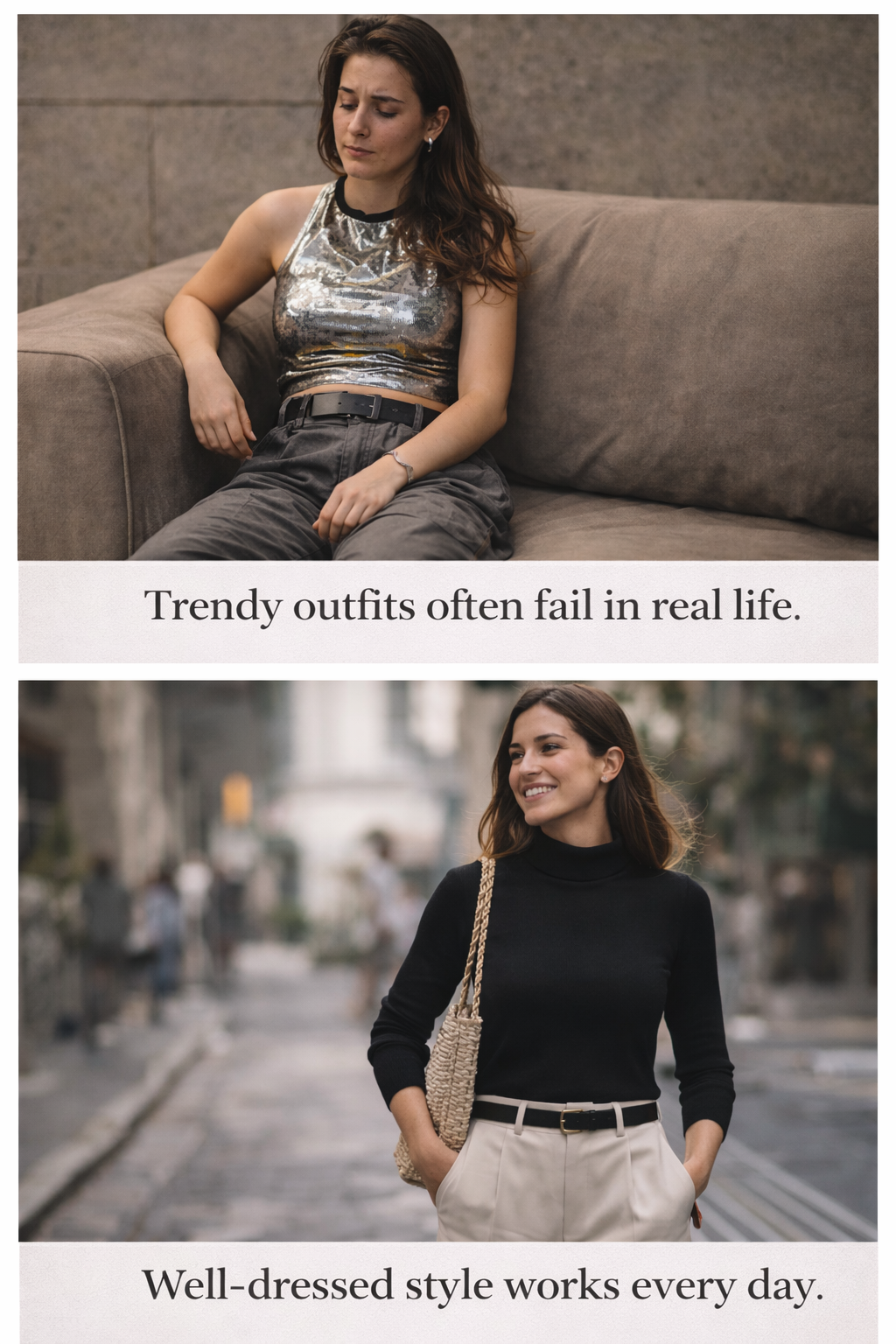
Trends are designed for:
● Runways
● Photos
● Short-form content
Real life is different. You walk, sit, work, commute, and live in your clothes.
That’s why trendy outfits often:
● Feel uncomfortable after a few hours
● Look awkward outside controlled settings
● Lose appeal once the novelty disappears
Well-dressed style accounts for real movement, real environments, and real routines.
Why Well-Dressed People Look Effortless
Effortless style is rarely accidental—it’s edited.
Well-dressed people usually:
● Know which colors work for them
● Stick to silhouettes they trust
● Avoid impulse purchases
They aren’t chasing trends because they’ve already defined what works. That clarity removes noise and makes getting dressed easier.
Can You Be Trendy and Well-Dressed?
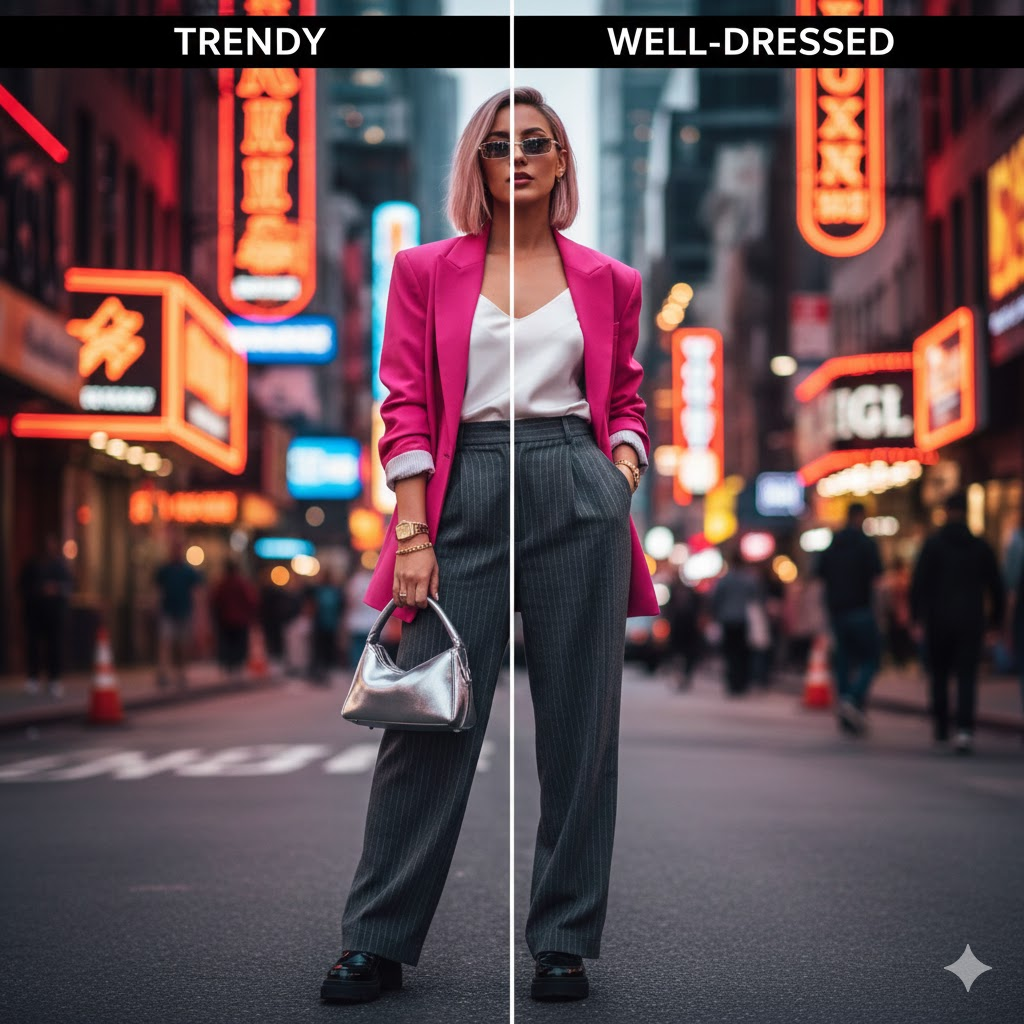
Yes—but only when trends are used intentionally.
A simple rule to remember:
Trends should support your style, not replace it.
A well-dressed person might:
● Add a trendy color as an accent
● Update accessories or footwear
● Experiment in small, reversible ways
They never rebuild their identity around a trend.
The Social Impact of Being Well-Dressed
People may notice a trendy outfit.
They trust a well-dressed person.
In professional and social settings, being well-dressed communicates:
● Stability
● Self-awareness
● Quiet confidence
That’s why leaders, creatives, and respected professionals often avoid trend-heavy dressing—even when they can afford it.
The Long-Term Advantage of Dressing Well
When you stop chasing trends:
● Your wardrobe costs less over time
● Getting dressed becomes simpler
● Your style feels consistent and authentic
Most importantly, your clothes begin working for you instead of demanding attention.
Frequently Asked Questions
Can you be trendy and well-dressed at the same time?
Yes, when trends are used selectively. Well-dressed style is built on fit and balance, while trends should act as accents—not the foundation of your wardrobe.
What makes someone look well-dressed?
Proper fit, clean silhouettes, thoughtful color choices, and clothing that suits a person’s lifestyle—regardless of brand or price.
Do expensive brands make you well-dressed?
No. Expensive clothes without good fit or coordination can look worse than affordable pieces styled well. Execution matters more than labels.
Why do trendy outfits look outdated so quickly?
Trends are designed to be temporary. Once the cycle moves on, those designs lose relevance, making the outfit feel dated.
How do I start dressing well without following trends?
Focus on neutral colors, versatile basics, proper tailoring, and outfit formulas that fit your daily life. Build slowly and avoid impulse purchases.
Final Thought: Style That Actually Matters
Trends change.
Good dressing doesn’t.
Being well-dressed isn’t about rejecting fashion—it’s about choosing what lasts, what fits, and what feels honest to who you are.
That’s where real style begins.