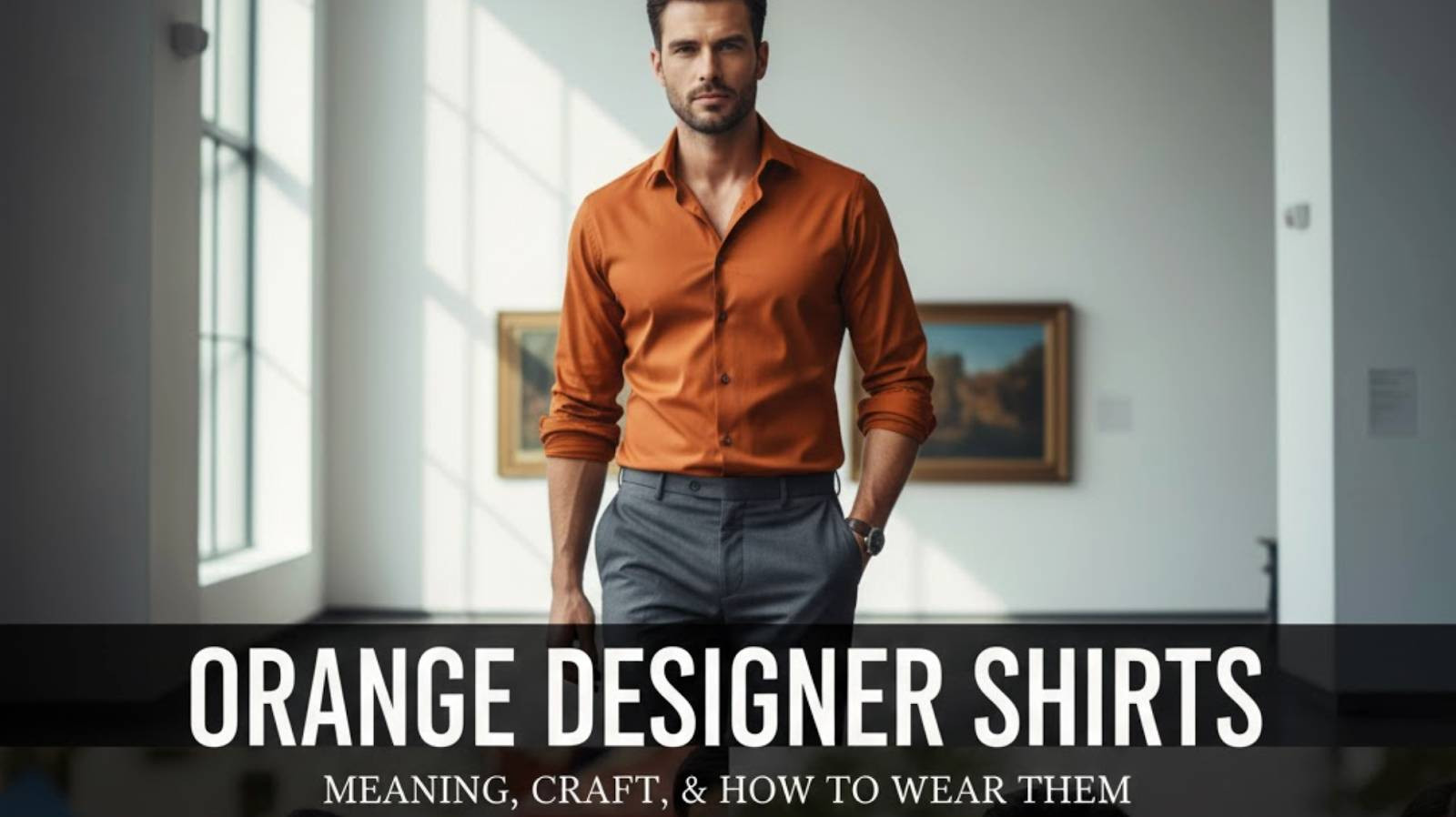
Orange Designer Shirts: Meaning, Craft, and How to Wear Them Without Looking Loud
An orange designer shirt is not a single product category in the traditional sense. It is a design choice, one that combines color psychology, fabric quality, cultural meaning, and brand identity into a garment that stands out immediately. For some buyers, orange signals confidence and creativity. For others, it feels risky or impractical.
This article looks at what an orange designer shirt actually represents, where the color comes from historically, how designers use it today, what fabrics matter, how people really wear it, and where the market is headed. The goal is not to sell orange shirts, but to explain why they exist, who they suit, and when they make sense.
What “Orange Designer Shirt” Really Means
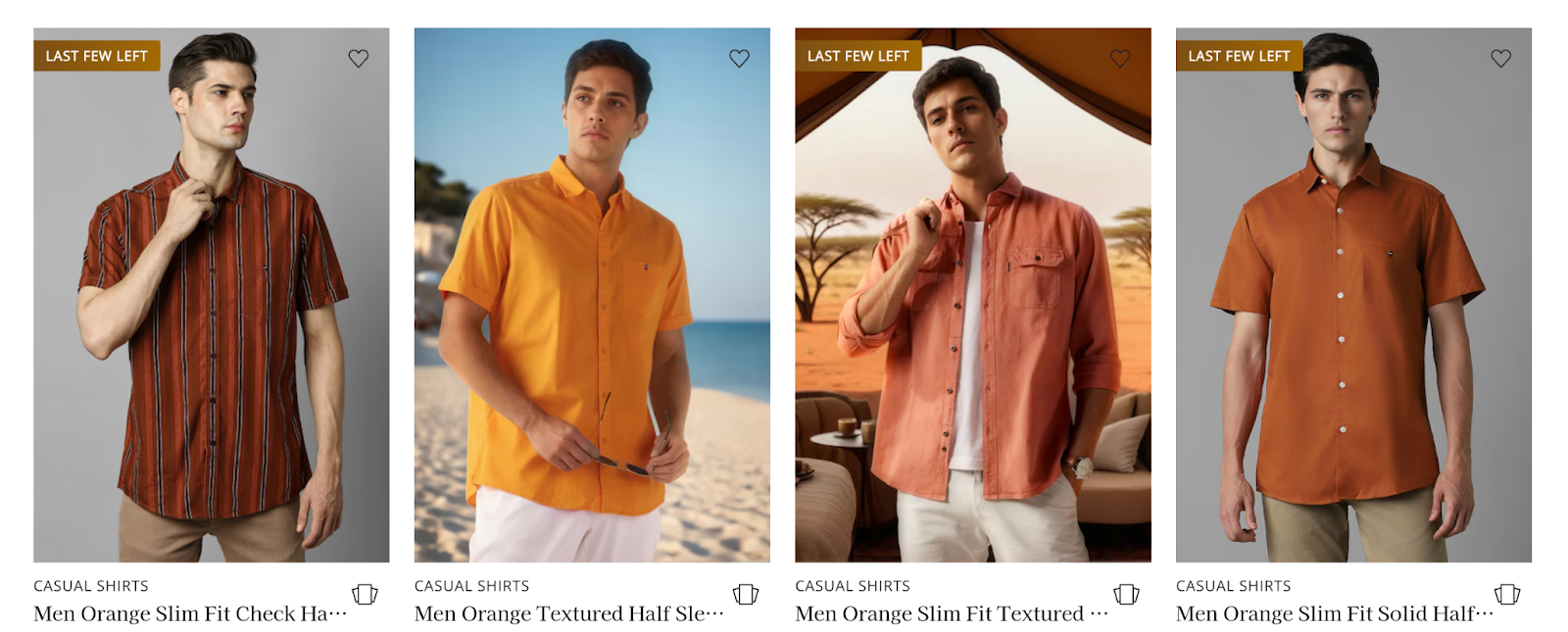
The phrase “orange designer shirt” is broad. It does not point to one brand, one price tier, or one audience.
In practice, it usually refers to a shirt that meets three conditions:
● Intentional use of orange as a primary color rather than a small accent
● Designer-led construction, meaning attention to fabric, cut, and finishing
● Styling versatility, allowing the shirt to work beyond novelty wear
This can range from a tailored cotton shirt in burnt orange for office wear to a loose, androgynous silhouette in bright tangerine for street or cultural fashion. What separates a designer shirt from a mass-market one is not just price, but material selection, dye quality, and design intent.
How Orange Entered Fashion in the First Place
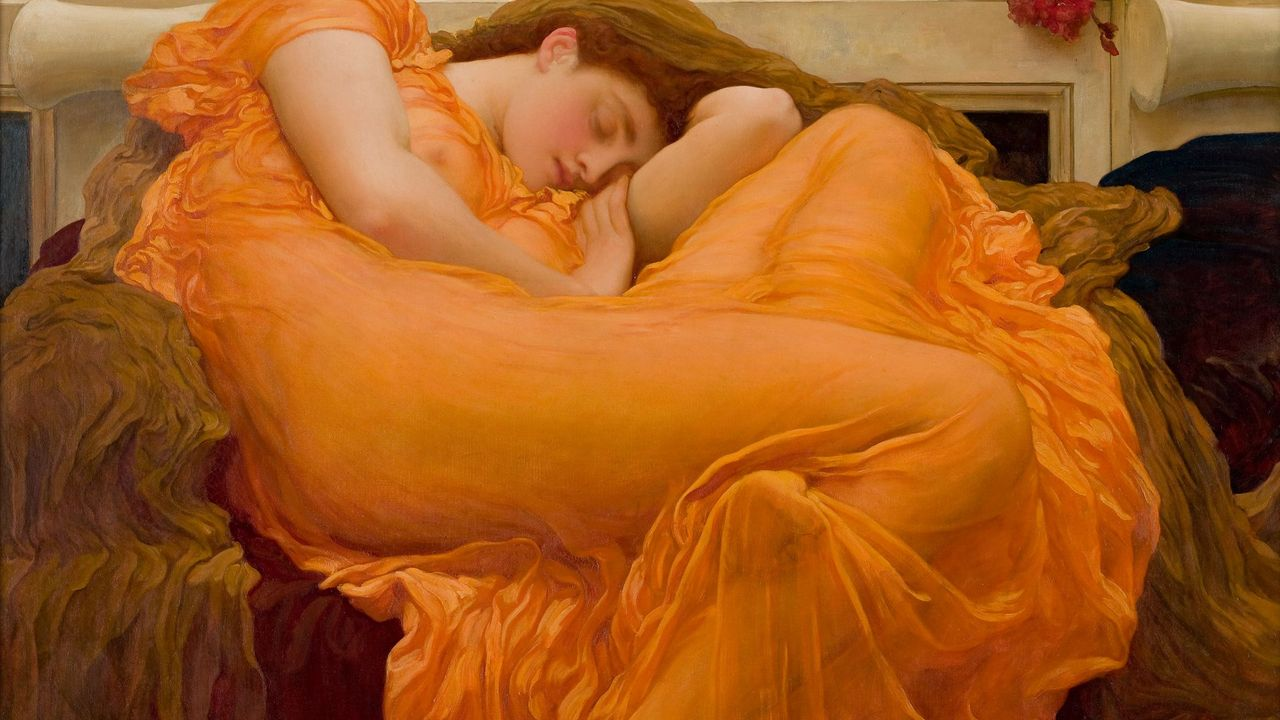
Orange has a longer and more complex history than most modern clothing colors.
Ancient civilizations used orange pigments derived from minerals like realgar and orpiment. Egyptians applied these hues in tomb paintings, while Romans traded orange-tinted dyes because they were rare and visually striking. The color itself did not get its modern name until oranges, the fruit, reached Europe from Asia in the sixteenth century.
In Asia, orange carried strong symbolic meaning. Saffron robes in Hinduism and Buddhism represented renunciation, clarity, and spiritual authority. In China and India, orange dyes were expensive and associated with status or ritual rather than daily wear.
Modern fashion adopted orange more aggressively in the twentieth century. During the 1960s, designers like André Courrèges and Emilio Pucci used bright tangerine tones to reflect optimism, futurism, and youth culture. By the 1970s, orange shifted toward earthier shades such as rust and burnt orange, aligning with bohemian and natural aesthetics.
That evolution still influences how designers use orange today.
Why Designers Keep Returning to Orange
Orange is difficult to use well, which is exactly why designers are drawn to it.
From a design perspective, orange sits between red and yellow. It carries energy without aggression and warmth without softness. When handled carefully, it reads as confident and modern. When handled poorly, it becomes overwhelming.
Designers often choose orange for three reasons:
1. Visual identity
Orange is instantly recognizable. Brands like Hermès turned orange into a signature not through clothing alone, but through consistent association with quality and restraint.
2. Gender flexibility
Orange works across menswear, womenswear, and androgynous fashion. Designers like Adebayo Oke-Lawal of Orange Culture use it to challenge rigid gender norms while keeping garments wearable.
3. Seasonal adaptability
Bright citrus tones work in spring and summer, while rust and burnt orange perform well in fall and winter collections.
On modern runways, orange appears less as a trend gimmick and more as a structural color, used to shape silhouettes rather than dominate them.
Shades Matter More Than Most People Realize
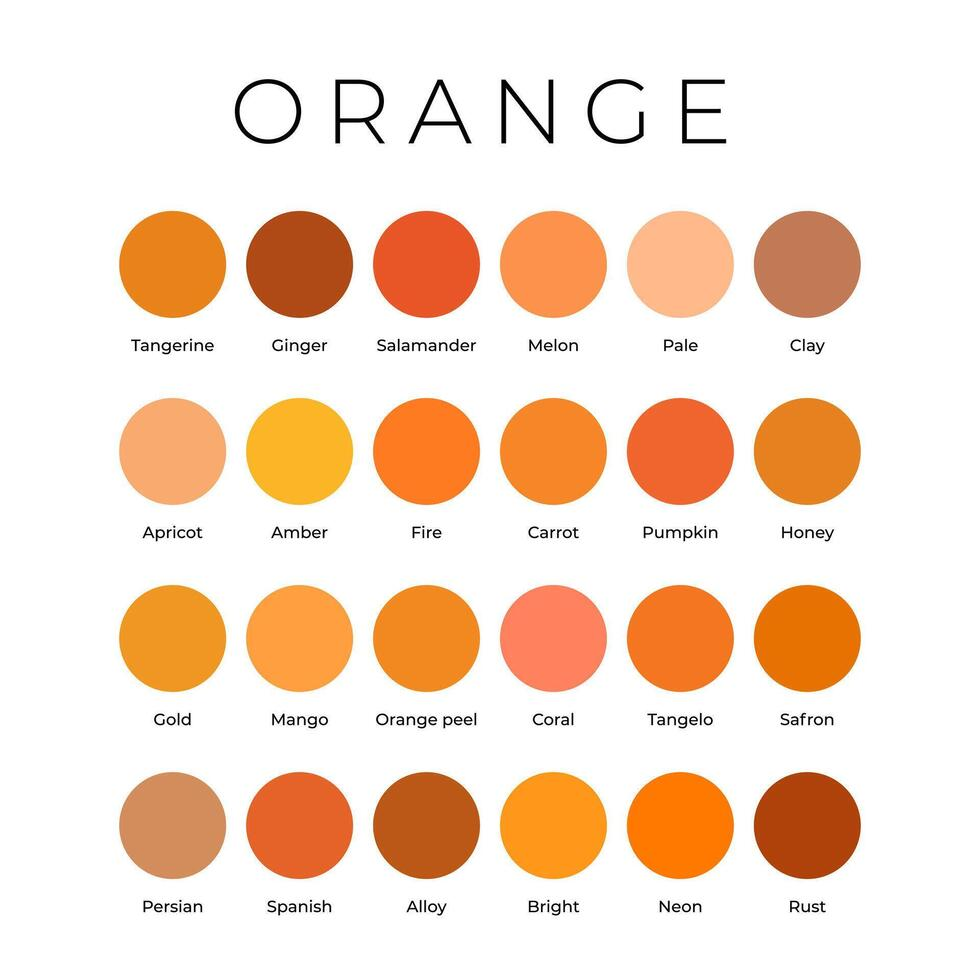
Not all orange shirts send the same message.
Designers break orange into distinct families, each with different use cases:
● Tangerine and citrus feel energetic and youthful, often used in casual or streetwear
● Burnt orange and rust read mature and controlled, suitable for tailored shirts
● Muted melon or cornsilk tones feel soft and wearable, often used in summer fabrics
● Neon orange is deliberately confrontational and usually reserved for statement pieces
Choosing the right shade matters more than choosing the right brand. A poorly chosen orange can overpower an outfit, while the right tone can act like a neutral with personality.
Fabric Is What Makes Orange Look Expensive or Cheap
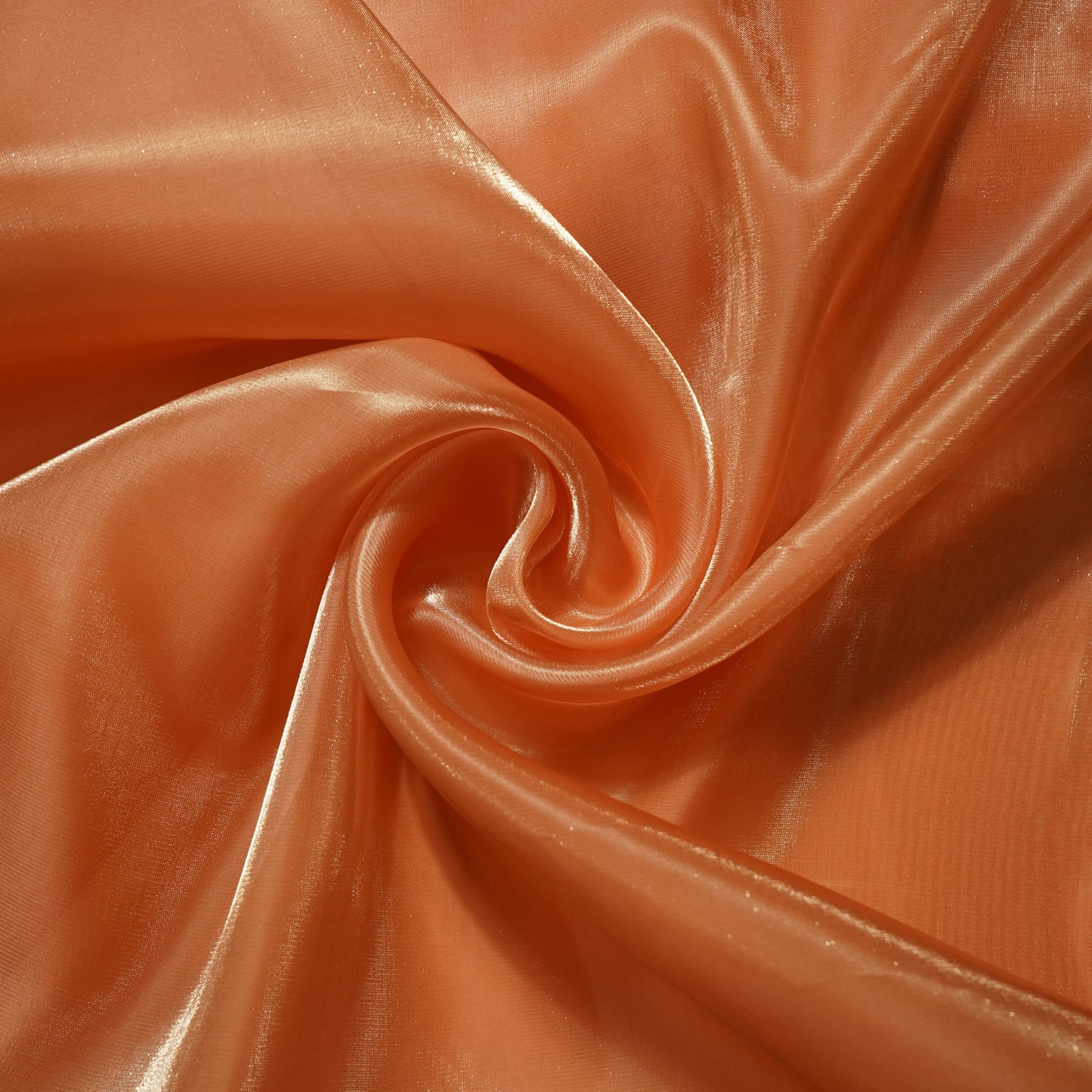
Orange exposes fabric quality quickly. Flat dyes and low-grade cotton make orange look harsh. Better materials soften it.
Common fabrics used in orange designer shirts include:
● Premium cotton shirting, often with higher thread counts that absorb dye evenly
● Oxford cotton, which adds texture and reduces glare
● Linen-cotton blends, especially for warm climates
● Jacquard and dobby weaves, which add depth without prints
● Handloom or ethically sourced cotton, often used by independent designers
Fabric weight also matters. Lightweight cotton gives brightness and movement. Heavier fabrics mute orange and make it feel grounded. This is why many fall collections use orange in wool blends or structured cottons.
How Orange Designer Shirts Are Actually Worn
Despite fears, orange designer shirts are not worn as statement pieces all the time. Most people wear them conservatively.
Common styling patterns include:
● Pairing orange with navy, charcoal, or off-white to anchor the color
● Using orange as the only color element in an otherwise neutral outfit
● Rolling sleeves or leaving collars open to reduce formality
● Choosing matte fabrics over glossy finishes
In professional settings, darker orange shades work best. In casual wear, brighter tones feel natural. Streetwear leans toward oversized silhouettes and layering, while tailored contexts rely on clean lines and restraint.
The key is balance, not boldness.
Cultural Meaning Still Shapes How Orange Is Perceived
Orange is not just a fashion color. It carries cultural weight.
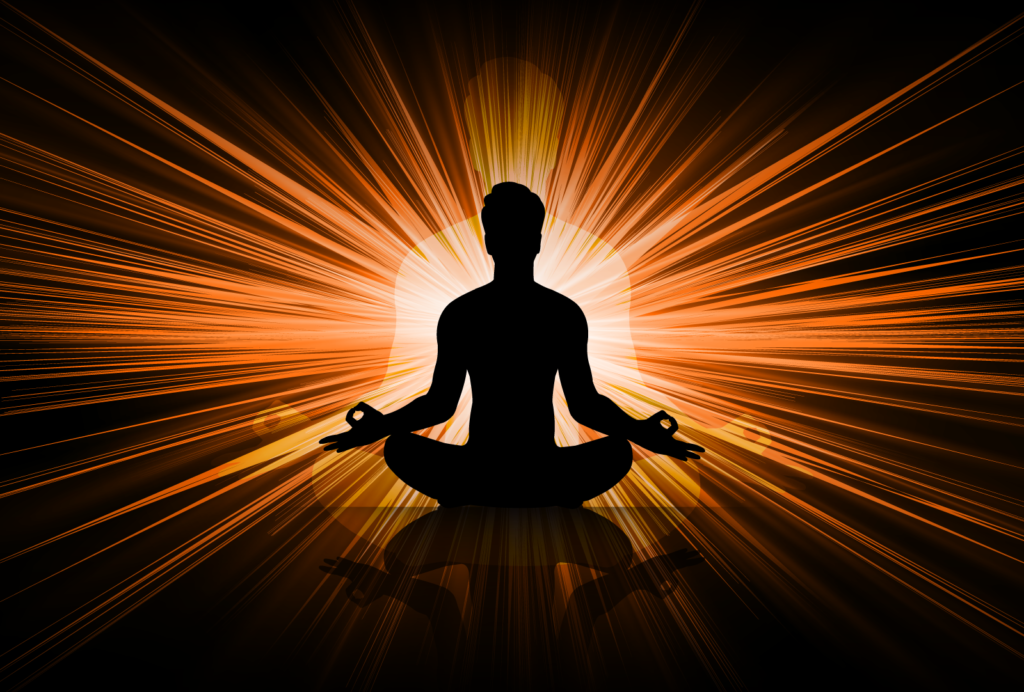
In South and East Asian traditions, saffron orange represents spirituality, sacrifice, and clarity. In Canada, orange shirts are worn on September 30 to honor Indigenous children lost to residential schools, giving the color deep emotional significance.
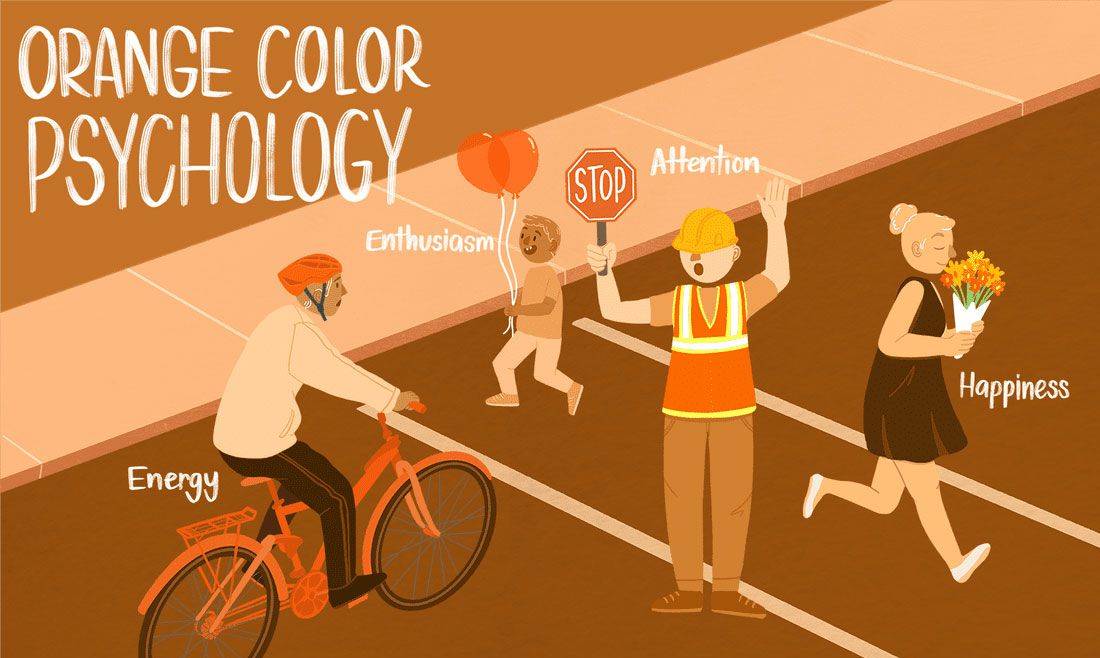
Psychologically, orange is associated with extroversion, creativity, and optimism. It attracts attention, which is why it appears in safety gear and sports branding. In clothing, that same attention-grabbing quality must be controlled.
Designers who understand this use orange deliberately rather than aggressively.
Market Demand and Where Orange Fits Today
The global shirt market continues to grow steadily, with color-driven demand peaking seasonally. Search interest for orange clothing rises sharply in late spring and summer, driven by warm-weather collections.
Orange shirts sell more as apparel staples than accessories. Consumers tend to buy orange shirts when they want visible change without redesigning their entire wardrobe.
Current market preferences favor:
● Sustainable materials
● Solid colors over heavy prints
● Shirts that can move between casual and semi-formal use
Orange fits well into this space because it offers visual impact without requiring complex styling.
Who Should Consider an Orange Designer Shirt
An orange designer shirt makes sense if:
● You already wear neutral colors and want controlled contrast
● You value fabric quality and construction
● You understand which shades complement your skin tone
● You want a piece that signals personality without logos
It may not work if you prefer low-visibility clothing or dislike attention. Orange does not disappear into the background.
The Practical Takeaway
An orange designer shirt is not about chasing trends. It is about intentional color use supported by good fabric and thoughtful design.
When done well, orange becomes surprisingly versatile. When done poorly, it looks forced. The difference lies in shade selection, material quality, and how the shirt fits into the rest of a wardrobe.
For buyers willing to treat orange as a design element rather than a novelty, it can be one of the most useful non-neutral pieces they own.