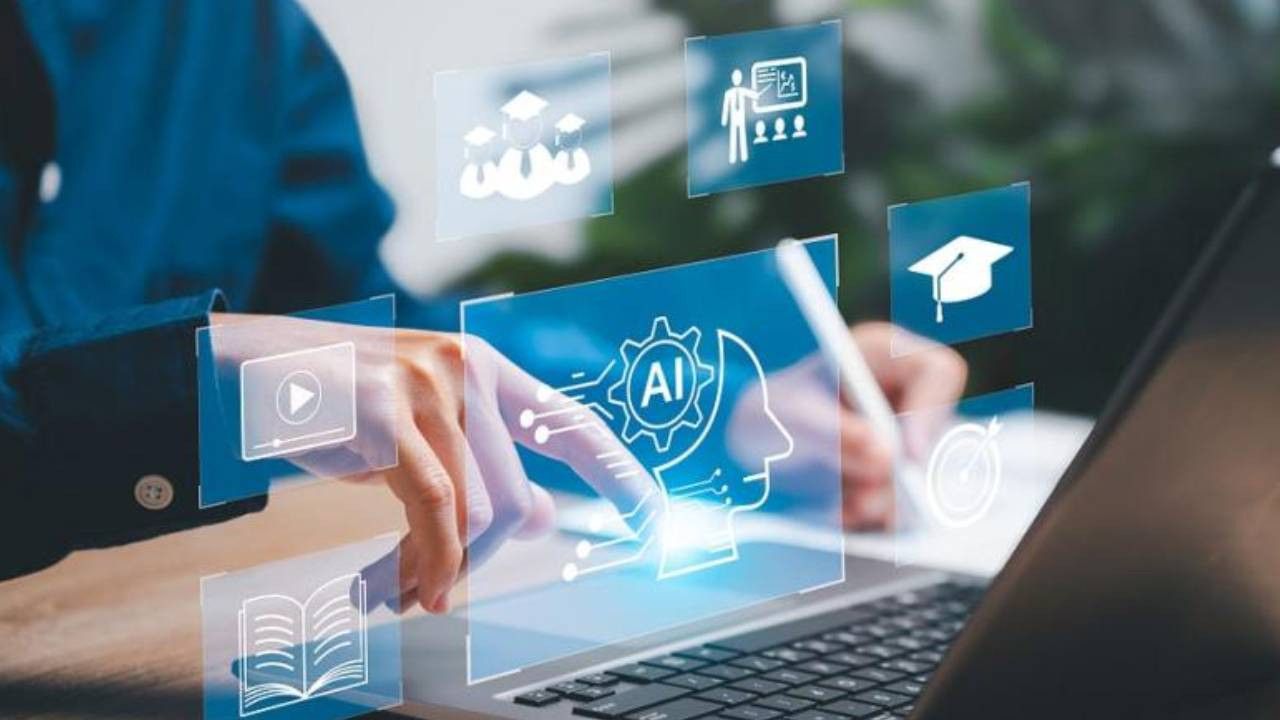
The way people learn AI tools online has changed sharply over the last two years. Instead of long academic programs or theory-heavy machine learning courses, most learners now look for practical exposure to real AI tools they can use immediately. This includes generative systems, automation platforms, and AI-assisted creative software.
What matters in 2026 is not knowing how every model works internally, but understanding how to work with AI systems safely, effectively, and repeatedly. As a result, online learning has shifted toward short modules, tool-focused lessons, and applied workflows rather than traditional curricula.
Why AI Tool Training Looks Different From Traditional AI Education
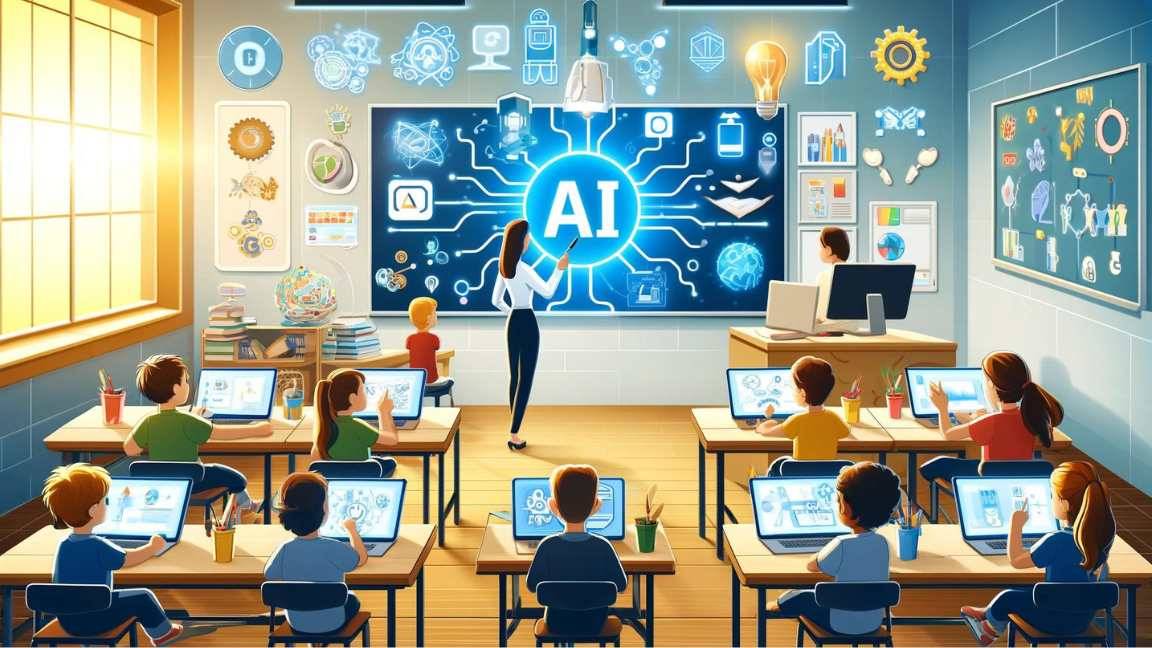
Older AI education focused on algorithms, mathematics, and model design. Modern AI tool training focuses on interaction, outcomes, and constraints.
Most learners today want to answer practical questions:
● How do I use generative AI without breaking workflows
● How do I evaluate outputs instead of trusting them blindly
● How do I integrate AI tools into daily work
Online platforms now structure content around use cases, not theory. This explains why many courses focus on prompting, evaluation, deployment, and ethical use rather than deep neural network architecture.
Where Structured Learning Still Makes Sense
Some learners still benefit from structured learning environments, especially when they want foundational understanding before experimenting.
Platforms like Coursera and edX remain relevant because they provide conceptual grounding. Courses such as AI For Everyone focus on how AI systems are built, deployed, and governed without requiring coding knowledge. This helps non technical professionals understand limitations, risks, and realistic expectations.
Google’s training resources follow a different approach. Rather than academic depth, they focus on how AI tools are used inside real products, especially within Google’s ecosystem. These modules are short, applied, and designed to help users understand how generative systems fit into business workflows.
Tool Focused Learning for Immediate Application
A noticeable trend in 2026 is the rise of tool-specific learning platforms. These platforms do not try to teach AI broadly. Instead, they focus on how to use individual AI tools effectively.
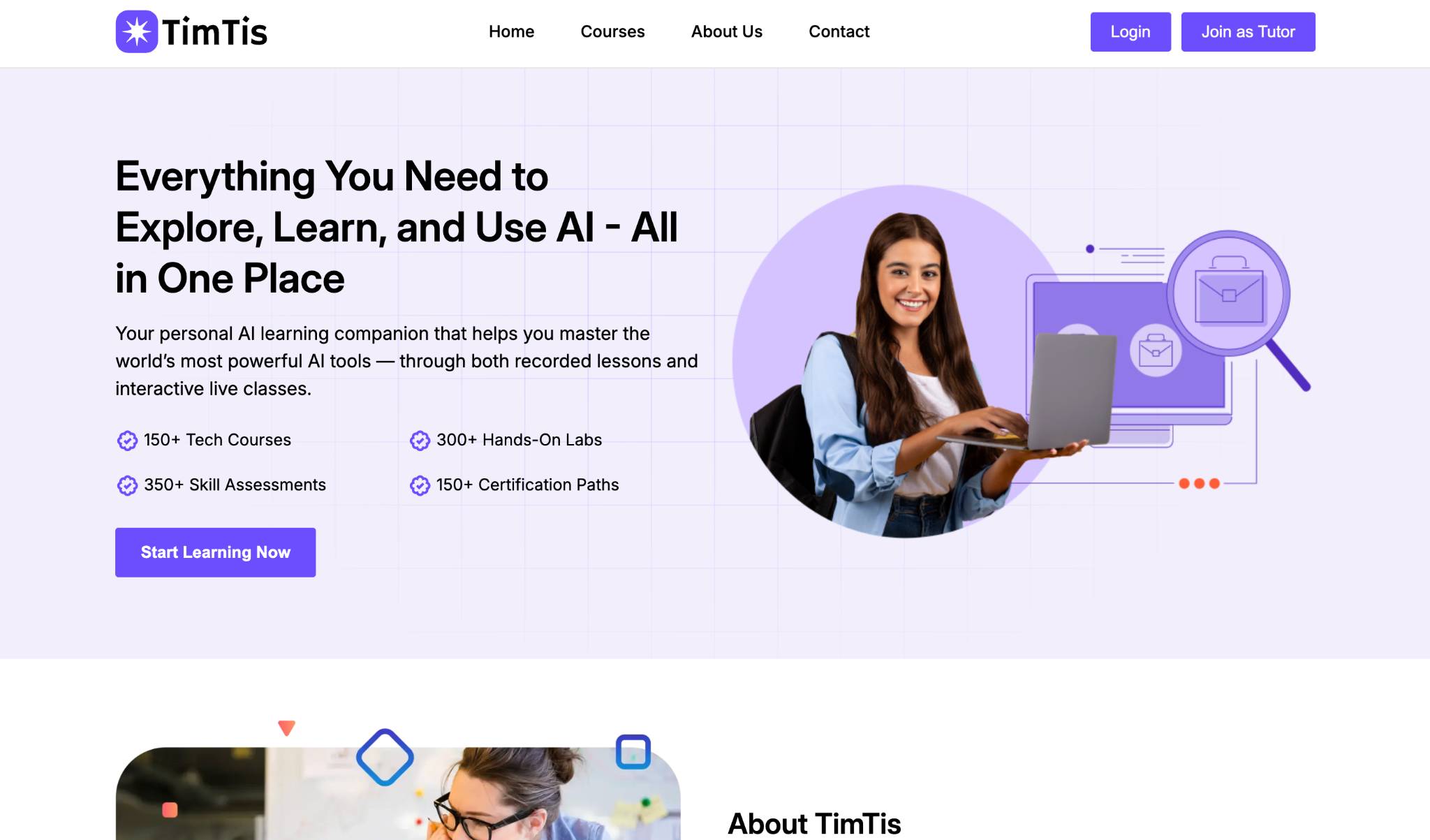
TimTis is an example of this approach. Instead of abstract lessons, courses focus on tools like Google Gemini, Claude, and image generation systems, showing how they are used in real tasks such as automation, research, and content workflows. This appeals to freelancers, marketers, and small teams who want immediate outcomes rather than long credentials.
Udemy also plays a role here, although quality varies. Its strength lies in niche topics, where learners want targeted instruction on a single tool or workflow. The lack of formal accreditation is less relevant for users who prioritize speed and experimentation.
Learning by Interaction Rather Than Instruction
Some platforms avoid lectures almost entirely and teach through interaction and feedback.
DataCamp is a strong example of this model. Instead of passive watching, learners write code, make mistakes, and receive guidance in real time. This approach works well for understanding how AI tools behave in practice, especially in areas like data preparation, basic model training, and evaluation.
Similarly, Kaggle teaches AI skills indirectly through datasets and challenges. Learners engage with real data, deal with imperfections, and see how small decisions affect outcomes. This builds practical judgment that formal courses often fail to teach.
Low Barrier Alternatives for Conceptual Understanding
For beginners who want intuition before complexity, browser-based tools have become increasingly valuable.
Google’s Teachable Machine allows users to train simple models using images, sound, or poses directly in the browser. There is no setup and no coding required. This makes abstract ideas like bias, data quality, and overfitting visible almost immediately.
These tools are especially useful for educators, designers, and non technical professionals who want to understand how AI reacts to data, not how to engineer models.
Learning AI Tools Through Observation and Context
Many learners rely on long form explanations rather than courses to stay current. YouTube lectures, interviews, and walkthroughs help explain why AI tools behave the way they do.
Channels that break down concepts clearly help learners connect tools to reasoning rather than memorizing steps. This type of learning builds judgment, which is critical when AI systems are unreliable or ambiguous.
Common Frictions in Online AI Learning
Despite the abundance of courses, several challenges persist.
Many platforms assume basic Python knowledge, which excludes true beginners. Free courses often lack certificates, limiting their value in formal hiring. Tool focused lessons can become outdated quickly as models change.
Most importantly, no course replaces real use. Learners who only consume content without applying it struggle to develop confidence or accuracy.
How Learners Are Choosing Platforms in Practice
Rather than committing to one platform, many learners now combine resources:
● Conceptual understanding from structured courses
● Practical exposure from interactive tools
● Ongoing updates from community discussions
This mixed approach reflects the reality of AI itself, which changes too quickly for static learning paths.
Closing Perspective
Learning AI tools online in 2026 is less about completing courses and more about building usable understanding. The most effective learners focus on interaction, evaluation, and repetition rather than credentials alone.
Platforms differ in structure, depth, and reliability, but none provide a complete solution on their own. What matters is the ability to test tools critically, recognize limitations, and adapt as systems evolve.
AI education has become continuous by necessity. The tools will change, but the skill of learning them will remain the real advantage.