People look 31% more confident in black than in any other color, and 28% more stylish, according to one analysis of what daters actually wear. That single finding explains why the same man can look right at a neighborhood bar and wrong at a tasting menu in the identical outfit. Dressing for a date is a matter of matching the clothes to the tone of the night. Casual, romantic, and upscale each ask for something different, and getting the tone right matters more than owning any one expensive piece.
The Casual Date
The casual date sets the lowest formality bar and the easiest trap. Too relaxed looks careless, and trying too hard in a casual setting looks like overcompensation. The target is clothing that looks considered without looking staged. A well-fitted polo or a linen shirt with dark, clean jeans or chinos covers most daytime plans, from a coffee to a drink at a relaxed bar. Footwear decides the grade. A clean leather shoe or a suede boot keeps the look intentional where a scuffed trainer would sink it. The comfort of a casual outfit is real, and it should never become an excuse to stop paying attention.
Sameness works against a man too. Wearing the same jeans-and-tee to every casual date eventually looks like carelessness, no matter how good the pieces are. Swapping the shirt for a knit polo or changing the shoe is enough to show effort without dressing up the occasion past what it is.
The Payoff of Visible Effort
Clothing does work before a word is spoken. When a man has clearly thought about what he put on, it tells a date the evening matters to him, and she takes that as respect. It matters a little more when there is an age gap. Part of what makes dating younger women appealing for older men is the sense of a man who has his life in order, and dressing with intention is the most visible proof of it.
The cost of the clothes barely matters. A well-chosen outfit tells a date she was worth the effort of getting it right, and that message holds at a coffee counter as much as at a private dining room.
The Romantic Dinner
The romantic dinner calls for warmth. Deeper colors work best here, a burgundy or forest knit, charcoal or black tailored trousers, and brown leather shoes with some richness to them. The palette leans darker and softer than daytime, which suits low light and close tables. A fitted shirt under a fine knit, or a good knit on its own, gives texture without the stiffness of office wear.
The setting does part of the work, so the clothing does not need to shout. Someone who looks warm and put together across a small table beats a man in a loud jacket trying to command the room. Close quarters also mean fabric and grooming both show, so this is the wrong night for a shirt that wrinkles by the main course or a heavy hand with cologne. A moderate amount on the pulse points is enough to smell good up close.
The Upscale Occasion
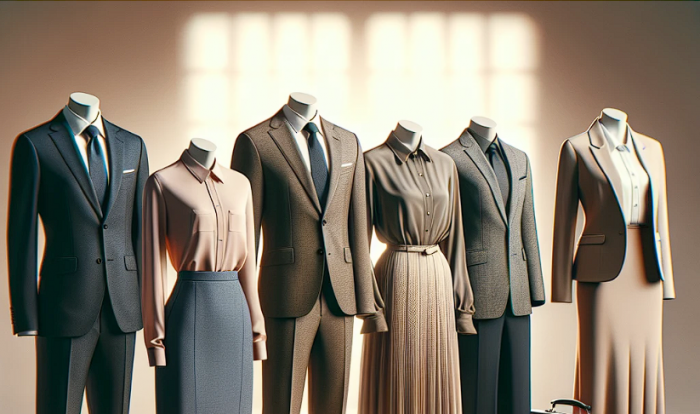
The upscale date removes most of the guesswork by raising the floor. A fine-dining room or an event with a dress code wants a suit, or at minimum a crisp dress shirt with dress trousers and proper leather shoes. The rule that saves men here is simple. The formality of the shirt should match the formality of the room. A dark suit with a white shirt covers nearly every high-end setting, and the collar can open as the night loosens.
Grooming counts double at this level, since the lighting is better and the company is paying closer attention. A pocket square or a good watch finishes the look without tipping into costume. The effect also runs inward, since research on how clothes influence performance shows a sharp outfit changes how a man carries himself. Buying one well-fitted dark suit solves the upscale problem for years, since the venue changes but the requirement rarely does. The point of the upscale outfit is to look like a man who is comfortable in rooms like this one.
The Message in Color
Color sends a message before the cut of the clothes is noticed. Research on real dates backs this up. A 2018 field study of 546 people from the television series First Dates found that daters wore more red and, more strikingly, more black when meeting someone new. People in black are rated roughly 31% more confident and 28% more stylish than those in other colors, which explains the pull. People who wear red are rated as more attractive, so the color earns its reputation on a date. Blue suggests trust and calm, a safe and solid choice that will not turn heads on its own. Green suggests newness and fresh starts. Color never overrides fit, but on a night when a man wants an edge, the color he reaches for is worth a second of thought. The color a man picks is never a neutral choice, even when he treats it like one.
Reading the Dress Code
The safest move before any unfamiliar date is to read the venue instead of guessing at it. A restaurant's own photos, its price tier, and a look at what its usual crowd wears settle the formality question in a few minutes. When an invitation names a dress code, decode it plainly. Smart casual means a collar and clean shoes with no suit required. Cocktail means a suit or a sharp blazer. Business formal means a full suit and tie. When the signal is genuinely unclear, dressing one notch above the room is the smaller risk, since a jacket can always come off and a missing one cannot appear.
Matching the Outfit to the Night
Money is the least of what the three date types ask for. Each wants the same thing, that a man read the setting and dress to it. That means staying relaxed but deliberate for a casual afternoon, warm and close for a romantic dinner, and sharp for an upscale room. Get the tone right and the individual pieces matter far less than most men fear. Someone who reads the room and dresses to match it looks like he belongs there, whatever the evening ends up costing.