
In an internet culture that rewards visibility, personal branding, and constant self-exposure, Alissa Mahler stands out precisely because she refuses those norms. She is most often introduced as the wife of Michael J. Knowles, yet that framing obscures a more interesting reality. Mahler is not a passive figure orbiting a media personality. She is a trained developmental psychologist whose professional identity has been shaped by research, ethics, and a clear preference for privacy.
Understanding Alissa Mahler requires stepping away from celebrity biography templates and asking a different question. What does it look like to build a serious academic life while deliberately resisting public attention, especially when your spouse thrives in it?
A Life Defined by Restraint, Not Absence

One of the most striking aspects of Alissa Mahler’s public footprint is how carefully limited it is. There are no verified social media accounts promoting her work, no podcasts explaining her worldview, and no lifestyle brand built around her family. This absence is not accidental. It is consistent with the values reflected throughout her education, career choices, and family life.
Born around 1990 in Nashville, Tennessee, Mahler’s early years remain largely undocumented, which is unusual in an era where childhood anecdotes are often exaggerated into origin myths. What can be reasonably said is that she spent part of her formative years in New York, where she attended school in the Bedford area. This is also where she first met Michael Knowles, long before either of them became public figures.
Even in these early stories, there is a pattern. The anecdotes about orchestra class, homeroom, and teenage familiarity come almost entirely from Knowles’ retellings, not from Mahler herself. That imbalance matters. It signals who is comfortable narrating the relationship publicly and who is not.
Education as a Long Game

Mahler’s academic path is one of the most concrete and verifiable aspects of her life, and it is where her identity becomes clearest.
She completed undergraduate studies in psychology and history at the University of Maryland, grounding her early education in both human behavior and historical context. Some online profiles also attribute a journalism degree from Yale University, though this claim appears inconsistently and should be treated with caution. What is far more consistently documented is her graduate education.
Mahler earned both a master’s degree and a PhD in developmental psychology from the University of California, Irvine, within the School of Social Ecology. This is not a casual credential. UC Irvine’s social ecology framework emphasizes the interaction between individuals, institutions, and legal systems. It is a discipline that resists simple narratives and demands methodological rigor.
Her doctoral work focused on adolescents, particularly those involved in the juvenile justice system. This area of research sits at the intersection of psychology, law, and social policy. It asks uncomfortable questions about how early contact with courts, detention, or supervision reshapes emotional development, educational outcomes, and long-term stability.
This is not abstract theory. It is applied, ethically sensitive work that requires patience, statistical discipline, and emotional distance. It also explains why Mahler’s career does not lend itself to soundbites or personal branding.
Research Without Performance

Before and during her graduate studies, Mahler worked with the Eunice Kennedy Shriver National Institute of Child Health and Human Development. Her role as a lead recruiter for a longitudinal study of adolescents and young adults placed her in a position that is foundational but rarely visible.
Longitudinal research lives or dies by participant trust and retention. Recruiting and maintaining relationships with participants over years requires discretion, empathy, and procedural integrity. These are not skills developed by people seeking attention. They are developed by people comfortable operating behind the scenes.

At UC Irvine, Mahler also worked with the Center for Psychology and Law, helping organize public talks and academic events that translate research into practical discussion. This further reinforces a picture of someone interested in impact over recognition.
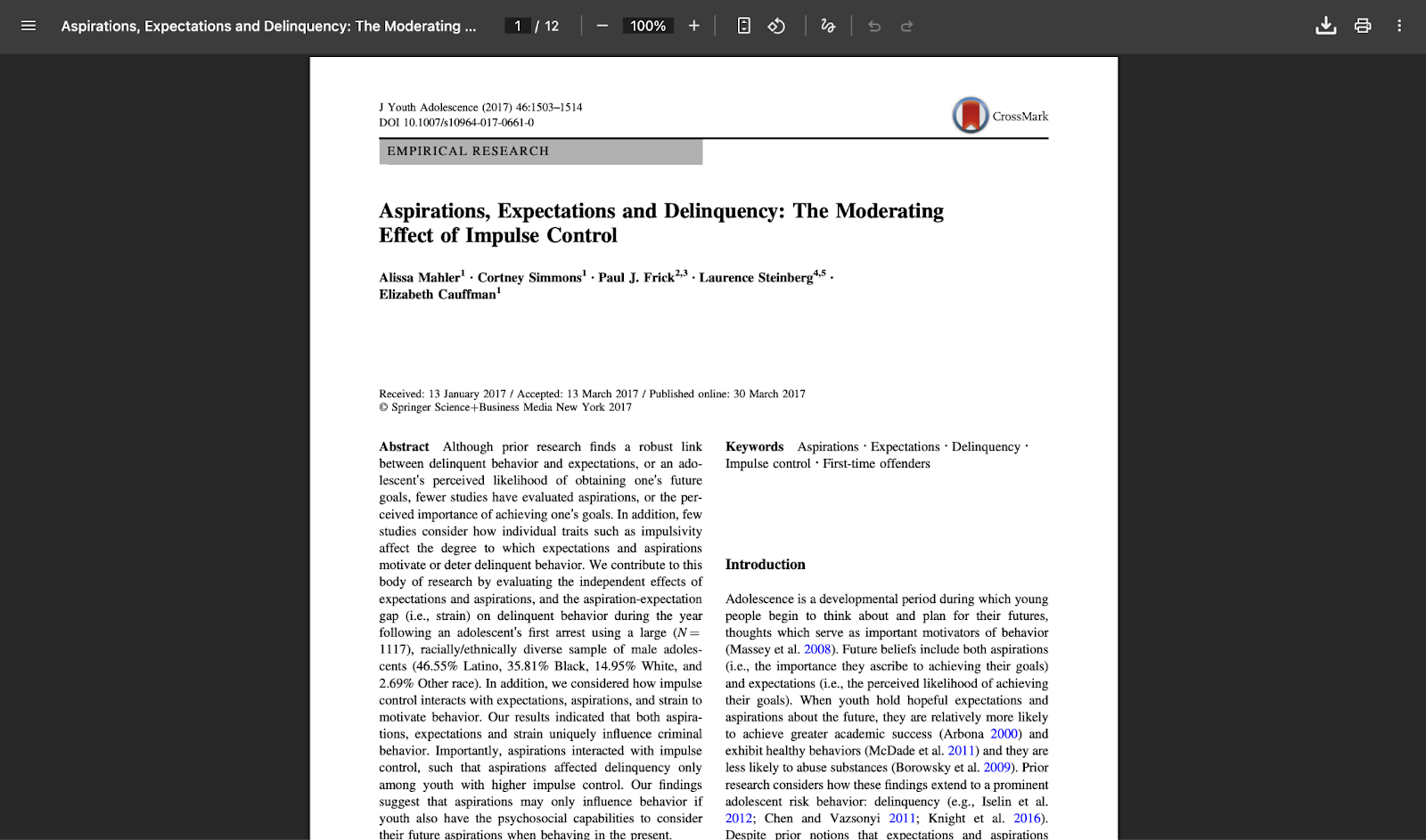
Some sources suggest she has contributed to more than a dozen scholarly publications connected to her department. While specific titles are rarely listed, this level of output is consistent with an active doctoral researcher in a competitive program.
Marriage to a Media Figure Without Becoming One

Mahler’s marriage to Michael Knowles in 2018 brought her into the orbit of conservative media culture, but she has never attempted to occupy that space herself. Their relationship, which began in adolescence and stretched over a decade before marriage, suggests stability built long before fame entered the picture.
The couple has three sons, born in 2021, 2022, and 2024. Notably, their children’s names and personal details are almost entirely absent from public discourse. This is not common among media families. It is a deliberate boundary.
While some commentators speculate about Mahler’s intellectual influence on Knowles’ commentary, there is no public evidence of her shaping his positions or participating in his media work. The more accurate interpretation is separation rather than collaboration. She maintains her identity while supporting his career without merging into it.
The Ethics of Writing About Someone Who Avoids Attention
One of the most important questions surrounding Alissa Mahler is not who she is, but how she should be written about.
Much of the internet content bearing her name is unreliable. Some articles attribute unrelated careers, fictional family connections, or generic empowerment narratives that contradict her documented academic focus. Others recycle biography templates designed for influencers or entertainers, not researchers.
This creates a problem. When someone actively avoids public exposure, the temptation is to fill gaps with speculation. Responsible reporting does the opposite. It acknowledges what is known, what is uncertain, and what should remain private.
Mahler’s life highlights a broader issue in digital culture. Not everyone adjacent to fame wants to be famous, and not every story benefits from maximal exposure.
Faith, Family, and Quiet Consistency
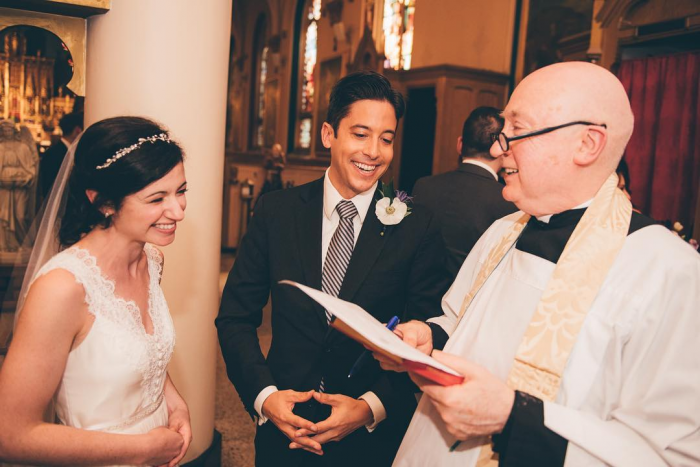
Mahler is often described as Christian, sometimes specifically Catholic, aligning with Knowles’ publicly stated faith. While she does not speak publicly about religion, the consistency between her lifestyle choices and traditional family values is clear.
Her decisions suggest a worldview that prioritizes long-term stability over visibility, intellectual seriousness over performative influence, and family protection over public curiosity.
This does not make her an ideological figure. It makes her an example of something increasingly rare.
Why Alissa Mahler Matters Without Trying To
Alissa Mahler’s significance lies not in controversy, wealth, or personal branding. It lies in intentional restraint.
She represents a counterpoint to the assumption that proximity to power or fame must be leveraged publicly. Her career shows that meaningful work can exist outside attention economies. Her family life shows that privacy is still possible, even when one partner lives in constant visibility.
For readers, her story offers something more useful than inspiration. It offers permission. Permission to be accomplished without being visible. Permission to protect boundaries. Permission to let work speak quietly.
In a culture that constantly asks people to explain themselves, Alissa Mahler’s life suggests another option. You can simply live it.